
Answer
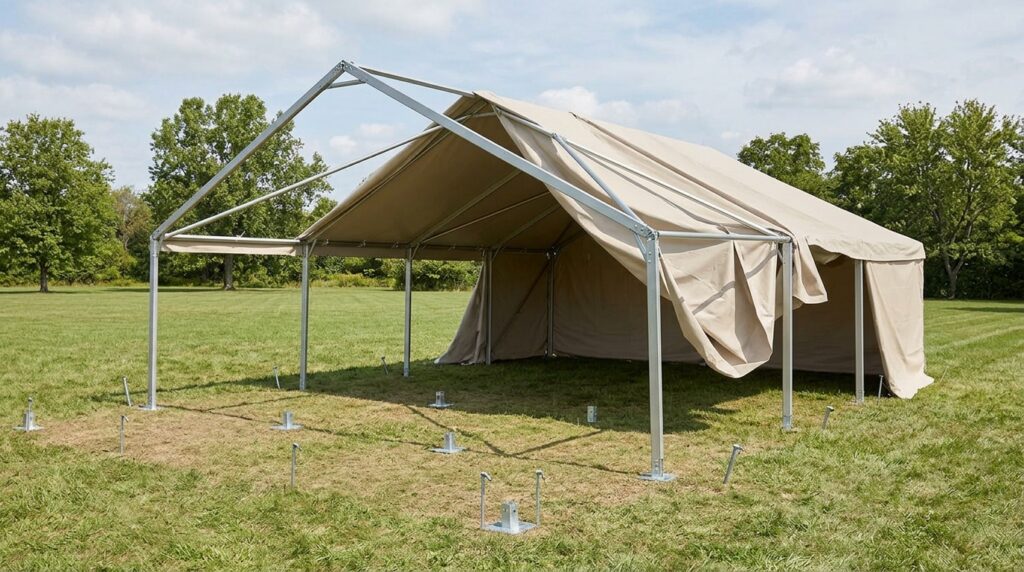
Selecting temporary infrastructure for industrial needs involves choosing between highly adaptable modular buildings and flexible tent structures to best meet project timelines and operational requirements. Superior Tent Rentals offers both types of industrial-grade solutions, with setups tailored for various conditions encountered on remote worksites. For instance, temporary structures range from 20-foot wide units to expansive 164-foot clearspan buildings, providing diverse options for crew housing, equipment storage, or operational centers.
Overview
This article explores factors influencing choices between temporary structures for various industrial requirements. It covers how different project needs align with modular buildings or industrial tents. The content also presents a labeled real-world hypothetical from Marcus, illustrating common decision points for a site setup.
- Choosing Options: Weighing the benefits of modular buildings and tents helps define project scope.
- Solution Differences: Examine key distinctions between temporary infrastructure types.
- Real-World Example: Marcus considered several variables when deciding which structure suited his project.
- Provider Selection: Learn about selecting a solution provider for industrial needs.
- Site Needs: Detailed assessment supports evaluating site needs for temporary structures.
- Project Planning: Consider cost and timeline when planning for site solutions.
Choosing Between Modular Buildings and Tents
Project requirements dictate whether modular buildings or temporary tents serve best for remote oil and gas site solutions. Factors such as desired duration, environmental conditions, and specific operational needs guide this selection. We help assess these elements to provide a functional setup for various industrial applications.
Superior Tent Rentals considers a project’s timeline and relocation frequency when recommending temporary structures. For projects requiring rapid deployment or frequent relocation, tent structures often present a more adaptable choice. When greater permanence and controlled environments are needed, modular buildings offer distinct advantages. Modular vs traditional infrastructure can greatly impact operational efficiency.
| Factor | Considerations for Selection |
|---|---|
| Project Duration | Temporary tent structures suit short-term projects or those requiring quick setup and removal. Modular buildings are better for longer-term deployments, offering durability. |
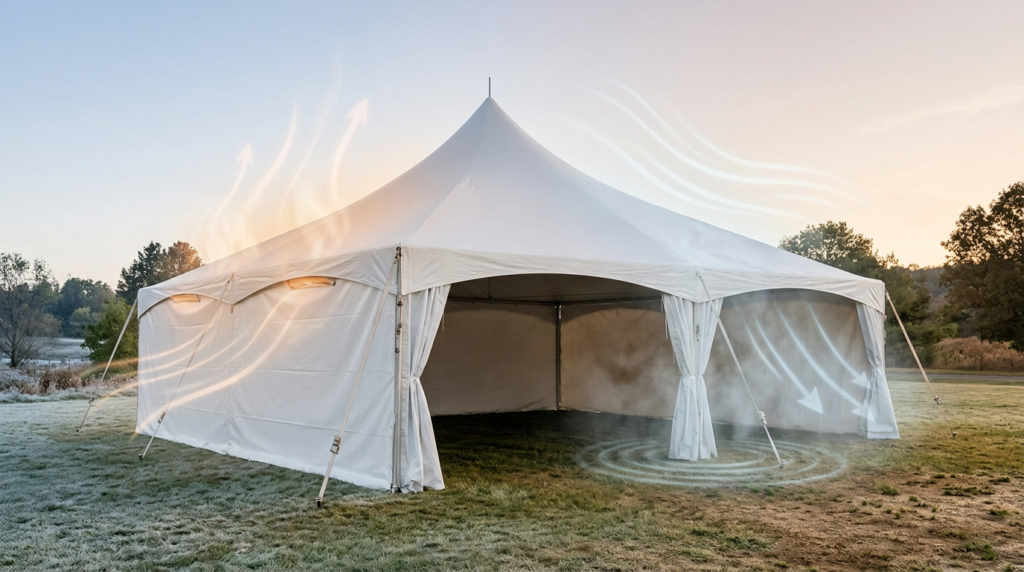
| Site Conditions | Harsh weather may necessitate the enclosed, climate-controlled environment of a modular building. Tent solutions can be reinforced but offer less insulation. |
| Required Facilities | Specialized spaces like laboratories or fully equipped offices often require the robust construction of modular units. Tents effectively serve as storage, dining halls, or temporary shelters. |
| Budget and Schedule | Tent structures generally have lower initial costs and faster installation times. Modular buildings represent a higher investment but provide greater structural integrity and longevity. |
| Relocation Needs | If the site frequently changes location, portable tent solutions allow for easier disassembly and reassembly. Modular units are designed for transport but require more planning. |
Key Differences in Oil and Gas Site Solutions
Selecting temporary infrastructure for remote operations involves weighing several factors, from setup speed to environmental impact. Modular buildings offer distinct advantages for long-term installations, providing durability and a more permanent feel for extended projects. Tent structures, conversely, excel in rapid deployment and flexibility for shorter durations or evolving site needs.
Each solution presents a different balance of upfront costs, installation timelines, and site adaptability. For instance, a tent solution may be deployed within days, while a modular unit often requires weeks for full assembly on site. Superior Tent Rentals has experience with both, allowing us to help clients choose the best fit for their project requirements, considering factors like weather exposure and required interior amenities. For more insight on temporary installations, see our Oil Field Tent guide.
The choice between these options often depends on the specific demands of a particular project. Considerations include the desired level of comfort, security, and the ability to relocate the structure. Examining the key differences below can help clarify which option aligns best with operational goals.
| Feature | Modular Buildings | Tent Structures |
|---|---|---|
| Setup Speed | Weeks to months (pre-fabricated, assembled on site) | Days to weeks (rapid deployment) |
| Durability | High (weather-resistant, secure) | Moderate (weather-dependent, designed for temporary use) |
| Cost Efficiency | Higher initial investment, longer lifespan | Lower initial investment, cost-effective for short-term |
| Flexibility/Relocation | Can be disassembled and relocated, but more complex | Highly adaptable, easier to move or expand |
| Environmental Impact | Reduced on-site waste, factory-controlled production | Minimal ground disturbance, reusable components |
| Interior Customization | Extensive options for offices, living quarters, labs | Basic heating, lighting, and flooring options are typical |
| Common Uses | Permanent offices, housing, labs, control rooms | Warehousing, lunch tents, temporary workshops, equipment shelters |
When to Select Modular Structures for Your Project
Companies in the oil and gas sector often face the challenge of rapidly deploying temporary infrastructure for remote worksites. The choice between modular buildings and traditional tent structures can significantly impact project efficiency and operational flexibility.
Marcus is overseeing the setup for a new remote oil and gas site near Edmonton, Alberta, and needs to decide on the best temporary infrastructure. He’s weighing the adaptability of modular buildings against the flexibility of tent structures for crew housing and equipment storage. Is one option definitively better for their specific operational needs? Should Marcus opt for modular buildings or traditional tent structures for his company’s new Edmonton oil and gas site solution?
Recommendation: Modular Buildings
Superior Tent Rentals would recommend modular buildings when long-term or more robust site presence is anticipated, because they offer enhanced durability and a more permanent feel suitable for extended operations. However, tent structures can be a more agile choice for shorter-term needs or rapidly changing project scopes.
Your Premier Oil and Gas Site Solution Provider
Superior Tent Rentals delivers customized infrastructure to support demanding operations. We ensure worksite efficiency and safety by offering a variety of solutions, from temporary structures to essential equipment. Our experience includes providing robust shelter options that perform in challenging conditions.
We work with clients to assess their specific project needs, recommending appropriate infrastructure for crew accommodation, equipment storage, or specialized workspaces. This tailored approach helps maintain productivity and operational continuity, minimizing disruptions on active sites.
| Service Category | Description |
|---|---|
| Temporary Shelters | Provides immediate protection from weather elements for personnel and equipment, adapting to various site footprints. We offer clearspan tents for wide-open interior spaces. |
| Industrial Structures | Heavy-duty shelters built for longer-term projects, including warehousing and maintenance facilities. These structures ensure operational integrity in harsh conditions. Industrial Tent Rentals |
| Camp Facilities | Includes structures for workforce housing, dining, and recreation, enhancing comfort and morale on remote sites. We configure these to support daily living requirements. |
| Equipment Storage | Secure enclosures protect valuable machinery and materials from theft and environmental damage. This preserves equipment lifespan and ensures readiness for use. |
| Site Services | Beyond structures, we also provide essential accessories like heating, lighting, and power distribution to create fully functional environments. Industrial Energy Rental |
Evaluating Site Needs for Temporary Structures
Assessing a site for temporary structures requires a detailed review of several factors to determine the best fit for operations. This includes environmental conditions, ground stability, and accessibility for equipment delivery and installation. Considering these elements ensures the chosen structure provides necessary shelter and functionality for the duration of the project.
For industrial sites, we prioritize a thorough site survey to identify potential challenges and opportunities for placement. This helps determine whether a clearspan tent or a modular building offers better operational advantages and safety compliance for oil and gas site solutions.
When selecting between options, considerations often extend beyond initial footprint to long-term usage and potential relocations. Superior Tent Rentals offers Superior Tent Rentals expertise to guide clients in making informed decisions.
| Site Characteristic | Importance for Temporary Structures |
|---|---|
| Ground Conditions | Stable, level ground simplifies installation and reduces the need for extensive site preparation. Uneven terrain may require specialized flooring or leveling. |
| Accessibility | Road access for heavy equipment and delivery vehicles directly impacts installation timelines and costs. Limited access can make certain structures impractical. |
| Environmental Factors | Wind loads, snow accumulation, and temperature extremes influence structural design and material selection. Regional climate data informs these choices. |
| Duration of Use | Short-term projects (less than 1 year) may benefit from faster-to-deploy temporary tent structures, while longer-term needs might favor more durable modular options. For example, a six-month project might benefit from tent rental tips. |
Cost and Timeline Considerations for Site Solutions
Project costs for temporary structures on remote worksites depend on the required size, type (modular or tent), and specialized features like advanced HVAC or custom interiors. Initial setup fees for modular buildings can be higher due to specialized transport and assembly, but they offer greater long-term durability for extended projects. Conversely, tent structures generally have lower upfront costs and faster deployment times, making them suitable for shorter-duration needs or rapid response situations.
Timelines for deploying these solutions vary significantly; a standard tent structure may be operational within days or weeks, while modular facilities might require several months for design, fabrication, transport, and installation. This difference in deployment speed directly impacts project scheduling and overall operational expenses. Superior Tent Rentals frequently helps clients plan these logistics, ensuring appropriate structures align with specific project phases. We offer expertise in site preparation and installation, which can significantly influence both the cost and timeline.
When selecting between temporary options, consider the project’s expected duration and specific functional requirements. If rapid deployment and mobility are priorities, a tent structure is often the more efficient choice. For projects requiring a semi-permanent presence with enhanced amenities and security, the initial investment in a modular building pays off over time. We help clients evaluate these factors to choose the most suitable oil and gas site solutions for their operations.
| Solution Type | Best For | Budget Implication | Reason |
|---|---|---|---|
| Tent Structures | Rapid deployment, short-term projects | Lower initial costs | Faster installation and easier relocation when time is critical. Tent Rental Timeline |
| Modular Buildings | Longer-term projects, enhanced security | Higher initial costs | Greater durability and customization options for extended stays. Industrial Tent Rentals |
| Specialized Tents | Extreme weather, specific functional needs | Mid to higher range | Features like heavy-duty framing or specialized insulation extend usability in harsh conditions. |
FAQ
Below, we address some common questions regarding the optimal oil and gas site solutions, helping you weigh the benefits of modular buildings against tent structures for your operational needs.
| Question | Answer |
|---|---|
| When should a company choose modular buildings over tent structures for oil and gas operations in Edmonton? | Modular buildings are recommended for long-term oil and gas projects in Edmonton requiring enhanced durability and a more permanent feel. They provide a robust, secure environment suitable for extended operations, offering greater structural integrity and interior customization options for offices or labs. |
| How does the setup speed differ between modular buildings and tent structures for remote sites? | Tent structures can typically be deployed within days to weeks, offering rapid setup for urgent needs. Modular buildings, on the other hand, often require weeks to months for full assembly on site due to their pre-fabricated nature and more complex installation process. |
| What site conditions might favor tent structures for temporary oil and gas facilities? | Tent structures are a good choice for sites where rapid deployment and flexibility are priorities, or for shorter-term projects. They are also suitable for projects that may require frequent relocation, as they are easier to disassemble and reassemble compared to modular units. |
| How do cost and timeline considerations influence the choice between modular buildings and tents for site solutions? | Tent structures generally have lower initial costs and faster installation times, making them cost-effective for short-term needs. Modular buildings represent a higher upfront investment but offer greater longevity and durability for extended projects, potentially reducing long-term operational expenses. |