
Answer
Successful event planning with rented tents depends on selecting the correct size and accessories for guest comfort and safety. Superior Tent Rentals recommends a thorough site assessment to determine ideal placement and anchoring methods. Consider factors such as ground type and potential obstructions to prevent unexpected issues during setup.
Overview
Planning a successful outdoor event involves more than just selecting a tent; it requires careful consideration of various factors to ensure guest comfort and safety. This guide covers essential aspects of the rental process, from initial sizing to site logistics. It also includes a labeled real-world hypothetical featuring Chloe, illustrating practical applications for an outdoor event.
- Tent Size: Determine the appropriate space needed for your guests and activities with our tent size guide.
- Key Features: Explore the distinct qualities and options available for tent rentals.
- Real-World Example: See how Superior Tent Rentals assists with event services.
- Planning Timeline: Prepare for your event effectively by following a detailed rental planning timeline.
- Site Preparation: Address essential conditions and requirements for tent site preparation.
- Maximize Space: Optimize your venue layout to maximize event space.
Tent Size Guide for Events
Selecting the correct tent size begins with accurately assessing guest count and planned activities. Superior Tent Rentals recommends allocating at least 10-15 square feet per person for seated dining, increasing to 15-20 square feet if a dance floor or stage is included. A precise measurement ensures guest comfort and adequate space for all event elements, which is a key part of effective tent rental tips.
Consider the type of event and any additional features when determining the final tent dimensions. For instance, a wedding reception with a band requires more space than a simple standing cocktail party. We often guide clients through options for tent size guide to match their event’s specific requirements, ensuring no one feels cramped. Our experience with various event setups helps us account for factors like food service areas and registration tables, which also influence the overall footprint.
| Event Type | Space Needed (per guest) | Considerations |
|---|---|---|
| Cocktail Party (Standing) | 5-7 sq. ft. | Minimal seating, open mingling space. |
| Seated Dining (Rounds) | 12-15 sq. ft. | Allows for tables, chairs, and walkways. |
| Seated Dining with Dance Floor | 15-20 sq. ft. | Includes space for dancing and a band/DJ area. |
| Theater Style Seating | 6-8 sq. ft. | Rows of chairs facing a stage. |
| Trade Show Booths | Variable | Depends on booth size and aisle width. Refer to event tent rental guidelines. |
Key Tent Rental Features
Selecting the right tent for an event involves evaluating several key features, including the tent material, available accessories, and specific event requirements. The structure and fabric of a tent directly affect its suitability for different weather conditions and aesthetic goals. Superior Tent Rentals offers various tent types to accommodate diverse event needs.
Matching the tent’s characteristics to your event type ensures guest comfort and operational efficiency. For instance, a clearspan tent offers open interior space, ideal for large gatherings like corporate events or wedding receptions. Meanwhile, frame tents provide versatility for smaller venues or areas requiring flexibility in setup.
| Feature | Description | Event Consideration |
|---|---|---|
| Tent Material | Polyethylene and PVC fabrics offer different levels of durability and weather resistance. | Choose PVC for longer events or harsher weather; polyethylene suits shorter, casual gatherings. |
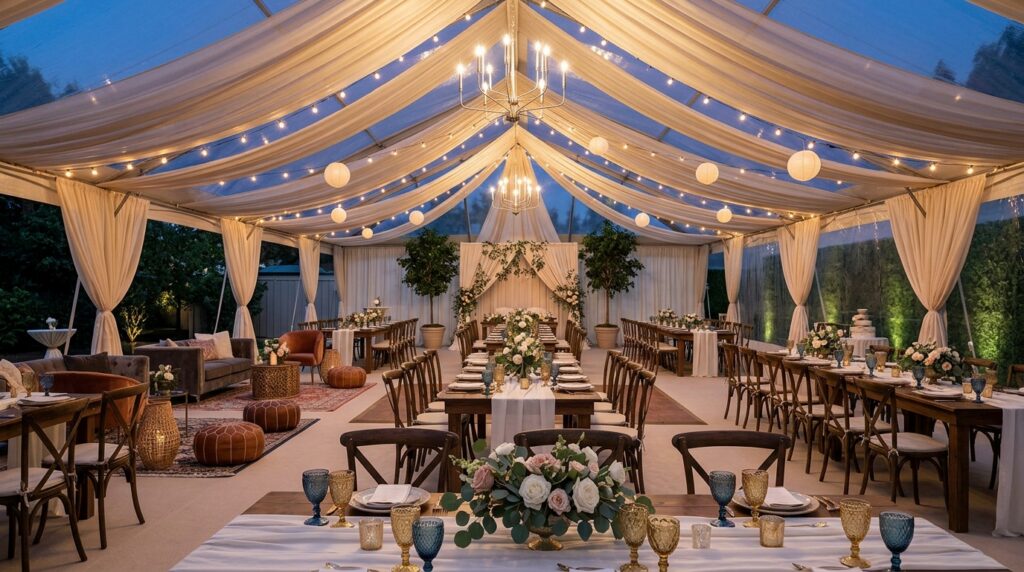
| Sidewalls | Solid, windowed, or clear sidewalls provide protection from elements and enhance ambiance. | Windowed sidewalls allow natural light and views, while solid ones offer privacy and wind protection. |
| Flooring Options | Temporary flooring systems can create a level surface and protect guests from ground conditions. | Essential for formal events or uneven terrain; helps prevent tripping hazards and keeps shoes clean. |
| Lighting Solutions | Options range from string lights and chandeliers to floodlights for safety and atmosphere. | Ambient lighting sets the mood, while task lighting ensures safety in activity zones. |
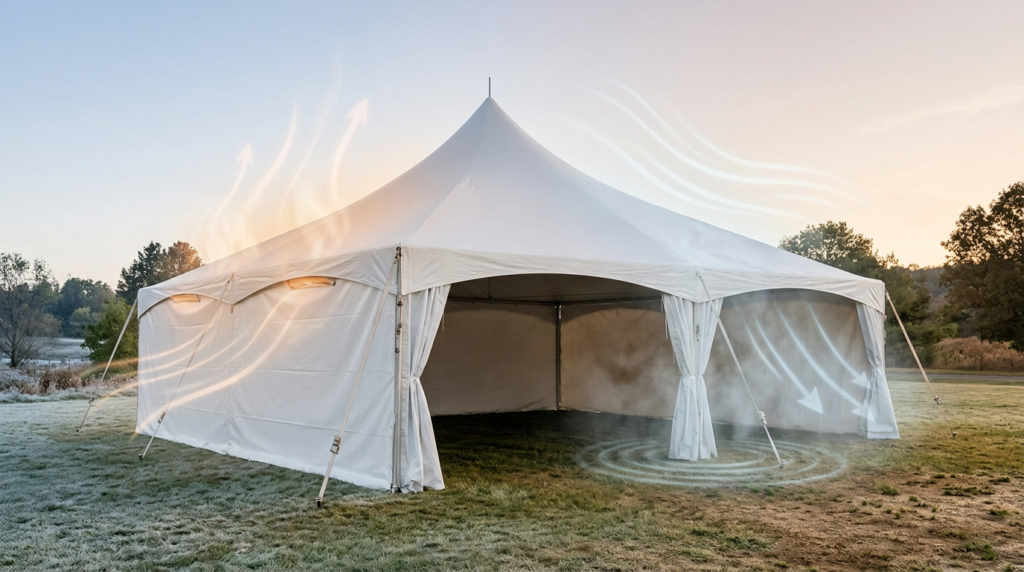
| Heating & Cooling | Heaters, fans, and portable AC units maintain comfortable temperatures inside the tent. | Necessary for events in extreme weather, ensuring guest comfort regardless of outside conditions. |
| Anchoring Methods | Stakes, water barrels, or concrete blocks secure the tent against wind. | Site conditions and local regulations dictate the safest and most effective anchoring approach, a key aspect of tent installation. |
Superior Tent Rentals Event Service
Planning an outdoor event involves critical decisions about tent rentals to ensure guest comfort and safety. The success of an event often hinges on anticipating various site conditions and logistical challenges.
Chloe is planning a large outdoor festival in Edmonton and needs to rent multiple tents. She’s concerned about ensuring everything runs smoothly on the day of the event and is wondering if she should prioritize a thorough site assessment before finalizing her tent rental booking? She wants to avoid any last-minute problems with placement or setup.
Recommendation: Prioritize Site Assessment
Superior Tent Rentals recommends a thorough site assessment to determine ideal tent placement and anchoring methods for your event. This helps prevent unexpected issues during setup and ensures guest comfort and safety, especially considering Edmonton’s diverse ground types and potential obstructions.
Tent Rental Planning Timeline
Effective event planning requires a structured approach, especially when coordinating tent rentals. Starting early helps secure preferred equipment and allows ample time for site assessments and logistical arrangements. Superior Tent Rentals often recommends beginning the process several months in advance for larger events in Edmonton, Alberta, to ensure availability during peak seasons.
The timing of your tent booking directly impacts the selection and customization options for your event. Waiting until the last minute may limit choices for tent styles, sizes, and essential accessories like flooring or lighting. Proper planning minimizes stress and ensures all components align with your event vision.
- Confirm Event Date and Location: Finalize your event date and venue as the first step. This information forms the basis for all subsequent tent rental planning.
- Estimate Guest Count: Determine an approximate number of attendees to help calculate the necessary tent size and seating arrangements. Refer to our tent size guide for initial estimations.
- Research Tent Styles and Accessories: Explore various tent types, such as frame tents or clearspan structures, and consider accessories like lighting, heating, and flooring. These choices affect the overall event experience.
- Request Quotes Early: Contact rental companies for quotes once you have a clear idea of your needs. Early requests allow for comparisons and adjustments to fit your budget and requirements. Consider asking for a request quote to begin this process.
- Book Your Tent: Secure your tent rental and any additional equipment at least 3-6 months before your event date, particularly for events during busy seasons. This step prevents last-minute disappointments.
- Finalize Layout and Permits: Work with your rental provider to confirm the tent layout. Also, verify if any permits are necessary for your chosen location and obtain them well in advance.
- Coordinate Setup and Teardown: Establish clear schedules for tent installation and removal with the rental company. This ensures smooth operations before and after your event.
Tent Rental Site Preparation
Proper site preparation ensures a safe and efficient setup for any event tent. This planning stage prevents delays and potential hazards during installation, making the entire process smoother for everyone involved. Superior Tent Rentals emphasizes clear communication about site conditions well before the installation day.
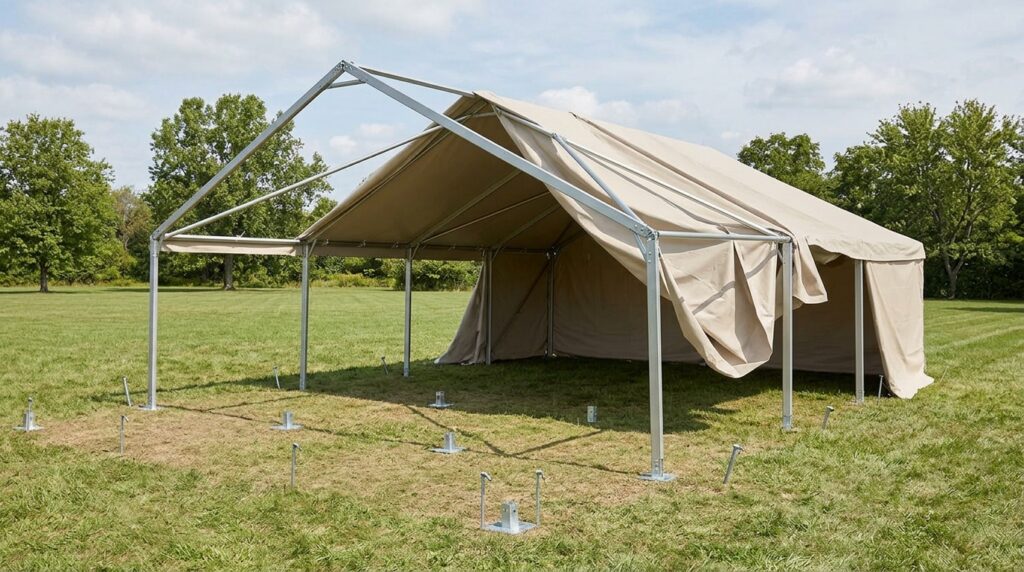
Before any equipment arrives, assess the ground for levelness and obstacles. We often recommend a walkthrough with clients to confirm the layout and address any concerns about underground utilities or access points. Following key tent rental tips for site readiness directly impacts the success of your event.
- Clear the Area: Remove all debris, rocks, branches, and anything that could obstruct the tent footprint or pose a tripping hazard. This also includes moving any lawn furniture or temporary structures.
- Mark Utilities: Identify and clearly mark all underground utilities, such as water lines, gas lines, electrical conduits, and irrigation systems. This prevents damage during staking or anchoring. If you are unsure about utility locations, contact local services for mark-outs.
- Ensure Level Ground: A relatively flat surface is ideal for tent installation. Significant slopes or uneven terrain may require extra work or specialized flooring solutions to create a stable base for guests and equipment.
- Check Access Routes: Confirm that the installation crew has clear access to the site for delivery vehicles and equipment. Consider the width and height clearance needed for trucks carrying tent components. Tent installation amp is much smoother with a clear path.
- Address Water Runoff: Plan for potential rain by identifying areas where water might collect. Proper drainage or the use of subflooring can prevent muddy conditions inside the tent.
- Consider Ground Type: The type of ground (grass, asphalt, gravel) affects anchoring methods. Different surfaces require specific staking or ballasting techniques to secure the tent safely. For more guidance on site requirements, check out our tent installation Alberta guide.
Maximize Event Space with Tents
Efficient tent layout ensures every guest enjoys the event without feeling crowded. The initial step involves mapping out zones for dining, dancing, and pathways, which directly impacts guest flow and overall comfort. Superior Tent Rentals frequently advises on optimal tent configurations that match event size and type.
Consider the total number of guests and planned activities when selecting a tent layout. A clear span tent provides an open interior, offering flexibility for various arrangements, while pole tents introduce central supports that influence seating plans. Consulting a tent rental expert helps determine the best fit for your specific site and event needs.
To help you select the ideal tent setup, consider these configurations based on common event requirements:
| Best for Job | Tent Configuration | Reason |
|---|---|---|
| Large Receptions | Clear Span Tent | Offers an unobstructed interior, ideal for dance floors and extensive seating arrangements. |
| Intimate Gatherings | High Peak Frame Tent | Provides an elegant aesthetic with fewer interior poles, suiting smaller, more refined events. |
| Ceremonies and Dining | Multiple Connected Tents | Allows for distinct zones, such as a separate area for a ceremony and another for dining, linked by walkways. |
| Trade Shows or Exhibitions | Modular Tent System | Configurable layouts support booths and walkways, easily expandable for varying vendor numbers. |
Choosing the right configuration ensures your event space functions effectively and looks appealing. Superior Tent Rentals can provide detailed tent installation guidance based on your site assessment.
FAQ
To help you navigate the process of choosing the perfect shelter, we’ve compiled answers to some common questions about tent rental tips and considerations for your next event.
| Question | Answer |
|---|---|
| How much space per person should I plan for in a tent for seated dining in Edmonton? | For seated dining with round tables, Superior Tent Rentals suggests allocating 12-15 square feet per guest. If your event includes a dance floor or a stage, increase this to 15-20 square feet per person. This ensures comfortable movement for guests and space for all event elements. |
| What are the benefits of using sidewalls on a rental tent? | Sidewalls offer protection from wind and rain, enhancing guest comfort during outdoor events. Options include solid, windowed, or clear materials. Windowed sidewalls allow natural light and views, while solid ones provide more privacy and weather shielding. |
| When should I book my tent rental for an event in Edmonton? | It is recommended to book your tent rental 3-6 months before your event date, especially for events during peak seasons in Edmonton. Booking early secures your preferred tent style and size, and allows ample time for site assessments and logistical planning. |
| How does the ground type affect tent anchoring? | The type of ground at your event site, whether grass, asphalt, or gravel, dictates the specific anchoring methods required. Different surfaces need distinct staking or ballasting techniques to ensure the tent is secured safely against wind. |