
Answer
Temporary tent structures offer adaptable, rapidly deployable solutions for various commercial needs, ranging from additional storage to event spaces and work shelters. These structures provide a cost-effective alternative to permanent construction, making them suitable for seasonal demands or projects with fixed timelines. Superior Tent Rentals supplies these versatile structures, allowing businesses to expand operations or host events with flexible infrastructure. Our offerings include options for varying sizes and durations to match project requirements.
Overview
This article explores factors influencing the selection, features, and applications of temporary structures. We discuss various solutions and their benefits for outdoor events. The content also includes a labeled real-world hypothetical featuring Alex, offering recommendations for a specific business need.
- Choosing Structure: Learn about selecting a temporary tent structure for different requirements.
- Key Features: Explore the essential features that temporary structures offer.
- Diverse Solutions: Discover various structure solutions suitable for many uses.
- Enhancing Events: Find out how these structures can improve outdoor events.
- Planning Rental: Consider important steps when planning a rental.
- Real-World Example: Review a detailed event structure case study.
Choosing the Right Temporary Tent Structure
Selecting an appropriate temporary structure depends heavily on the specific application and anticipated conditions. Factors such as expected occupancy, duration of use, and local weather patterns directly influence the optimal tent design and materials. We often guide clients through these considerations to ensure the structure meets their operational demands without excess. Superior Tent Rentals offers various options suitable for diverse project scopes, from small gatherings to large-scale industrial covers.
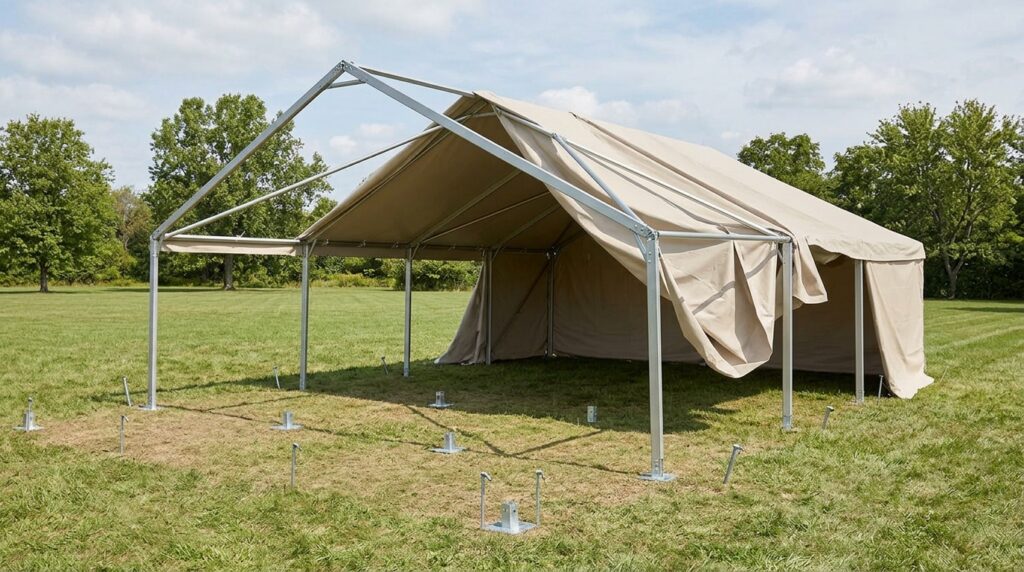
Different events and commercial operations call for distinct structural types, each with unique advantages. For instance, clear span structures provide unobstructed interior space, which is ideal for large equipment or event layouts requiring maximum flexibility. Frame tents, conversely, offer versatility for smaller areas and can be installed on various surfaces. Understanding these distinctions helps in making informed decisions about temporary tent structures. Superior Tent Rentals assists clients by matching specific needs to the right tent solution, ensuring functionality and stability.
Key Features for Temporary Tent Rentals
When selecting rental structures, specific features directly impact suitability for different commercial operations. Key considerations include the size and span of the tent, the materials used for both the frame and cover, and its ability to withstand various weather conditions. Superior Tent Rentals focuses on delivering structures that match site requirements and project durations.
Material choices play a significant role in both durability and aesthetic appeal. For instance, clear-span frame tents offer open interiors, making them adaptable for events or storage. We recommend matching the tent’s weather resistance to local climate expectations, especially during Alberta’s varied seasons. Tent Rental Tips provide more insight into making informed decisions for your project.
Accessories also extend functionality, ranging from climate control systems to flooring and lighting. When planning an installation, consider how these additions integrate with the primary structure. This ensures the temporary tent structures meet all operational needs, from basic shelter to fully equipped commercial spaces. Request Quote for customized accessory options.
| Feature | Description | Application Considerations |
|---|---|---|
| Size and Span | Refers to the overall dimensions and interior clearance of the tent. | Accommodate guest count, equipment, or storage volume; verify site space. |
| Frame Material | Typically aluminum or steel, affecting strength and weight. | Choose aluminum for lighter, quicker setups or steel for maximum durability. |
| Cover Material | Includes vinyl, PVC, or fabric, impacting light transmission and insulation. | PVC offers high weather resistance; clear vinyl allows natural light. |
| Weather Resistance | Ability to withstand wind, rain, and snow loads. | Critical for year-round use or exposed sites; consider reinforced options. |
| Anchoring Systems | Methods to secure the tent to the ground, such as stakes or weights. | Required for safety; varies based on ground type and wind conditions. |
| Accessories | Optional additions like walls, doors, flooring, HVAC, and lighting. | Enhance comfort, security, and functionality based on specific needs. |
Diverse Temporary Structure Solutions Offered
Selecting the right temporary structure depends on specific event or operational requirements. Superior Tent Rentals offers a wide selection, ensuring functionality for various commercial applications. Each type provides distinct advantages for different needs, from clear span tents for large gatherings to smaller frame tents for intimate events.
We see many businesses in the Edmonton, Alberta area seeking adaptable spaces for seasonal sales, storage, or special events. Our diverse offerings provide flexible solutions for these varied demands, making Request Quote 8211 for your project simple.
| Structure Type | Primary Use | Key Feature |
|---|---|---|
| Clear Span Tents | Large-scale events, industrial shelters | No interior poles, maximizing usable space. |
| Frame Tents | Weddings, corporate functions, storage | Freestanding design, adaptable to various surfaces. |
| Pole Tents | Outdoor festivals, elegant events | Classic silhouette, high ceilings. |
| Marquee Tents | Entranceways, walkways, smaller events | Modular design, aesthetically pleasing. |
| High Peak Tents | Parties, market stalls | Distinctive peaked roof, good for visibility. |
| Custom Structures | Unique commercial operations, specialized projects | Tailored designs for specific dimensions and functionalities, ensuring temporary tent structures meet exact needs. |
Enhancing Outdoor Events with Temporary Tents
Outdoor events gain significant flexibility and improved guest experiences with the right temporary shelter. These structures provide essential protection from weather, allowing event planners to proceed with confidence regardless of sun, wind, or light rain. We see many clients use tents to create distinct zones for dining, entertainment, or vendor booths, which helps organize large gatherings.
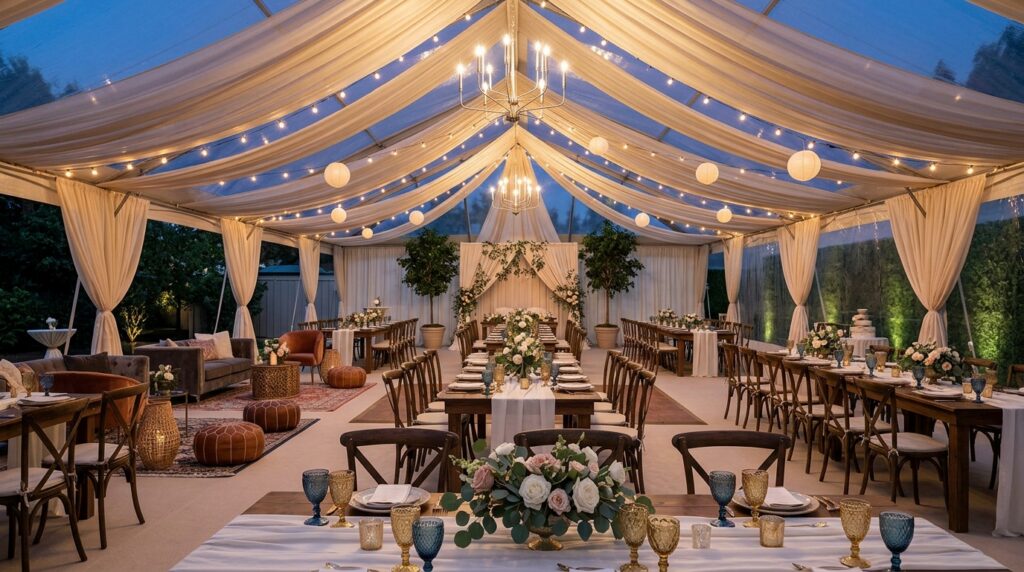
A well-placed tent also defines the event space, making any outdoor area feel more intentional and polished. Temporary tent structures enable unique decorative possibilities, from lighting installations to custom flooring, transforming a simple field into a memorable venue. For example, festivals often rely on these setups to house stages and audience areas, ensuring comfort and visibility for performers and attendees alike.
Consider the following steps to maximize the benefits of temporary tents for outdoor events:
- Assess the event’s specific needs, including guest count, required space, and desired amenities like power or climate control.
- Select the appropriate tent style and size to match the event’s aesthetic and functional requirements, whether it is a large festival tent or a smaller canopy.
- Plan the interior layout, incorporating elements like flooring, lighting, and seating arrangements to optimize guest flow and comfort.
- Coordinate with Superior Tent Rentals for professional tent installation Alberta and removal, ensuring safety and efficiency.
Planning Your Temporary Tent Rental
Successful event or commercial space setup begins with careful planning. Consider the specific function for the structure, such as storage, an event venue, or a temporary workspace. Identifying the primary purpose early helps determine the appropriate size, style, and features required for the structure.
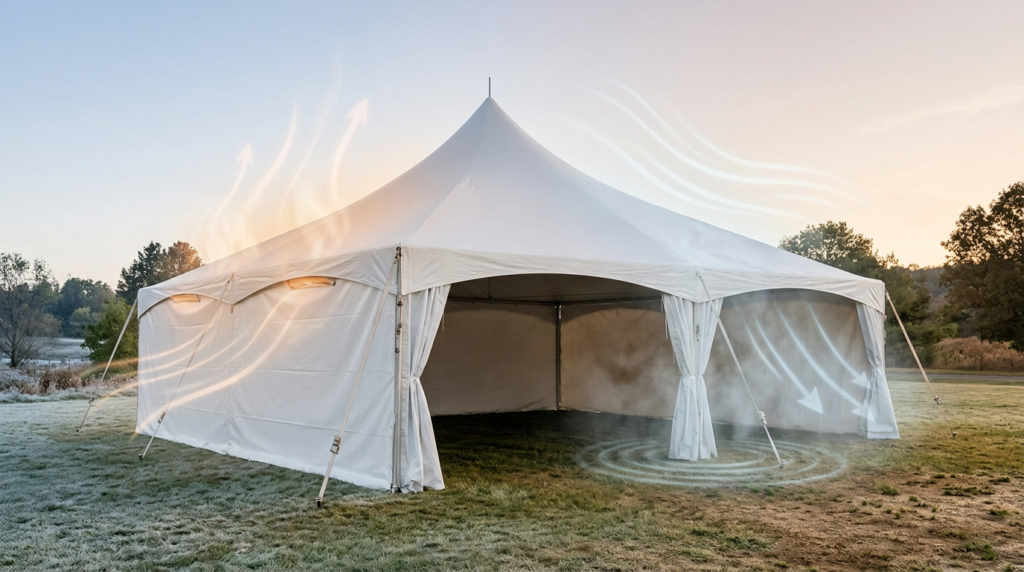
We often recommend clients in the Edmonton area consider the expected weather conditions for their chosen dates. High winds or heavy snow loads affect the type of structure and anchoring systems needed. Superior Tent Rentals guides clients through these considerations to ensure safe and functional setups.
| Planning Aspect | Considerations for Temporary Tent Structures |
|---|---|
| Event Type or Purpose | Define if the structure is for a corporate event, wedding, storage, or construction cover. This dictates interior requirements and overall design. |
| Site Assessment | Evaluate ground conditions, accessibility for installation, and available space. A flat, clear surface simplifies installation. Choosing the right structure depends on these factors. |
| Permits and Regulations | Check local bylaws for temporary installations. Larger structures or those up for extended periods may require specific permits. |
| Duration of Use | Short-term rentals for events differ from long-term needs like seasonal storage. Longer durations might benefit from more durable materials or insulation options. |
| Budget Allocation | Balance desired features with financial constraints. Prioritize essential elements like heating, cooling, or flooring based on event needs and weather. Your top questions often include budget concerns. |
Event Structure Case Study
Businesses often face fluctuating space needs, whether for seasonal storage, event hosting, or project-specific work areas. Finding a solution that is both cost-effective and rapidly deployable is a common challenge.

Alex needs to quickly increase operational capacity for a busy season in Edmonton, Alberta. While permanent expansion is too costly and time-consuming, the question remains whether a temporary tent structure is the best fit for immediate needs and future flexibility.
Recommendation: Temporary Tent Structures
Superior Tent Rentals would recommend temporary tent structures for businesses like Alex’s when adaptable and rapidly deployable space is a priority. These structures offer a cost-effective solution for expanding storage, hosting events, or creating work shelters without the commitment of permanent construction. If you are exploring options for commercial expansion, consider reviewing our Corporate Event Tent rental checklist.
FAQ
Below, we’ve compiled answers to some of the most common questions about temporary tent structures, helping you make informed decisions for your commercial needs.
| Question | Answer |
|---|---|
| What types of temporary tent structures does Superior Tent Rentals offer for commercial use in Edmonton? | Superior Tent Rentals provides a range of temporary tent structures, including clear span tents for large, unobstructed spaces, frame tents suitable for various surfaces, and pole tents with classic high ceilings. We also offer marquee tents for entrances and high peak tents for events like parties and markets. Custom structures are available for unique operational requirements. |
| How do I determine the right size and style of temporary tent structure for my business needs? | Selecting the correct size and style depends on your specific application, such as event hosting, storage, or workspace. Consider the expected occupancy, site space, and whether you need an unobstructed interior (clear span) or a design adaptable to smaller areas (frame tent). Superior Tent Rentals can guide you in matching your project scope to the most suitable structure. |
| What are the key features to consider when renting temporary tent structures in Alberta? | When renting temporary tent structures, consider the frame material (aluminum or steel), cover material (like PVC for weather resistance), and the anchoring system for safety. Weather resistance is particularly important given Alberta’s varied climate. Accessories such as walls, flooring, and climate control can also enhance functionality based on your specific operational needs. |
| When would a business choose a temporary tent structure over permanent construction in the Edmonton area? | Businesses in Edmonton often choose temporary tent structures when they need adaptable, rapidly deployable space solutions that are more cost-effective and quicker to implement than permanent construction. These structures are ideal for seasonal demands, short-term projects, or expanding operations without long-term commitment. |