
Modular vs. Tents: Oil & Gas Site Solutions

Snow-capped mountain peaks in black and white, scenic outdoor landscape for tent event backdrop.
Posted by The Superior Team

Understanding Oil and Gas Site Solutions

Oil and gas site solutions are comprehensive infrastructure setups designed to support exploration, drilling, production, and processing operations in the energy sector. These solutions are crucial for ensuring operational efficiency, worker safety, and environmental compliance in often remote and challenging environments.

From temporary accommodations to specialized equipment shelters, these solutions must be robust, adaptable, and capable of withstanding harsh conditions. The right infrastructure helps minimize downtime and protect valuable assets and personnel.

Effective oil and gas site solutions are fundamental for any successful project, encompassing everything from initial site preparation to long-term operational support and even temporary structures for construction sites. Understanding their scope helps in making informed decisions for diverse project needs, including choosing between a pole tent or frame tent for your event, which you can learn more about in our guide to tent fabrics for more.

Key Considerations for Oil and Gas Site Solutions

When planning for oil and gas site solutions, a thorough evaluation of several critical factors is essential to ensure operational success and safety. Site accessibility plays a significant role, dictating the types of structures and equipment that can be effectively deployed. Remote or challenging terrains often necessitate more adaptable solutions, such as oil field tent rentals, which can be transported and erected with relative ease.

Environmental conditions are another paramount consideration for oil and gas site solutions. Extreme weather, seismic activity, or fluctuating temperatures demand robust structures capable of withstanding harsh elements. Understanding the local climate helps in selecting materials and designs that offer durability and protection for personnel and equipment.

Regulatory compliance is non-negotiable within the oil and gas industry. All temporary structures for construction sites and permanent installations must adhere to strict local, national, and industry-specific regulations. This includes safety standards, environmental impact assessments, and permitting requirements, which can vary significantly depending on the project’s location.

The duration of the project also influences the choice of oil and gas site solutions. Short-term projects might benefit from easily deployable and demountable options, whereas long-term operations may require more permanent, resilient structures. For instance, temporary structures for disaster relief situations need quick deployment and robust performance. Understanding the differences between pole tent vs. frame tent options can be crucial for selecting the most appropriate solution.

Budgetary constraints and long-term cost-effectiveness must be carefully balanced. While initial costs are important, the total cost of ownership, including installation, maintenance, and potential future modifications, should guide decision-making. Exploring options like choosing the right event tent for your needs (though for different applications) can offer insights into scalable and adaptable solutions for various site requirements.

Ultimately, a comprehensive assessment of these factors ensures that the selected oil and gas site solutions are not only effective but also sustainable and compliant, contributing to the overall efficiency and safety of the operation.

Benefits of Advanced Oil and Gas Site Solutions

Implementing advanced oil and gas site solutions offers significant advantages, including enhanced safety, improved operational efficiency, and substantial cost savings. These benefits are critical for projects operating in challenging environments, where robust and reliable infrastructure is paramount.

Real-world applications demonstrate the impact of these solutions; for instance, after installing hundreds of modular systems for oil and gas operations in the Permian Basin, our team observed a notable reduction in setup time, allowing for much quicker project initiation. This efficiency translates directly into operational advantages for companies seeking effective portable storage solutions for businesses or temporary structures for construction sites, and understanding the durability of various tent fabrics can help in selecting the right materials.

Enhanced Safety and Environmental Compliance

Advanced oil and gas site solutions prioritize safety by providing structures that meet stringent industry regulations and withstand harsh environmental conditions. These solutions often incorporate features like fire-resistant materials, secure entry systems, and robust anchoring, reducing risks for personnel and equipment. Understanding the differences between various tent types can further enhance safety; for example, structure tents vs. frame tents offer distinct safety profiles, and knowing the right size is also crucial for any event. For more information on selecting the appropriate size, consult our tent size guide for events for more.

Moreover, modern site solutions are designed with environmental compliance in mind. They minimize their footprint, facilitate waste management, and can be easily removed or relocated, ensuring that operations adhere to environmental protection standards.

Improved Operational Efficiency

One of the primary benefits of advanced oil and gas site solutions is the significant boost in operational efficiency. Modular structures and purpose-built tents streamline various site activities, from housing personnel to storing critical equipment.

By offering rapid deployment and customizable layouts, these solutions allow for optimized workflows and better resource allocation. For example, a well-designed temporary structure for disaster relief can quickly establish critical support functions, mirroring the rapid response needed in the oil and gas sector. For aesthetic considerations, explore our sailcloth tent styling options.

Significant Cost-Effectiveness

Investing in modern oil and gas site solutions can lead to substantial cost savings over the lifespan of a project. While initial setup costs might seem comparable to traditional methods, the long-term benefits in terms of durability, reusability, and reduced maintenance are considerable.

These solutions also minimize downtime by offering quick installation and relocation, preventing costly project delays. Choosing the right event tent for your needs can also inform decisions about cost-effective, adaptable structures for industrial applications, such as understanding the differences between structure tents and frame tents regarding safety.

Increased Flexibility and Scalability

The adaptability of modern site solutions allows businesses to scale their operations up or down as needed. This flexibility is crucial in the dynamic oil and gas industry, where project demands can change rapidly. Whether you need to expand a work camp or reduce your footprint, these solutions can accommodate your evolving requirements, much like how different tent types suit various event needs; for instance, you can explore options like pole tent rentals or other styles to match your specific application.

The dynamic nature of oil and gas operations often requires infrastructure that can adapt to changing project needs. Advanced oil and gas site solutions provide unparalleled flexibility and scalability, allowing for easy expansion, reconfiguration, or relocation.

This adaptability ensures that facilities can grow or shrink with project demands, optimizing resource use and preventing over- or under-investment in permanent structures. This makes them ideal oil and gas site solutions for projects with uncertain or evolving requirements.

Durability and Reliability in Extreme Conditions

Oil and gas sites frequently operate in some of the world’s most challenging environments, from scorching deserts to freezing arctic regions. Advanced site solutions are engineered to withstand these extreme conditions, offering superior durability and reliability.

Using high-grade materials and robust construction techniques, these structures protect personnel and valuable assets from severe weather, ensuring continuous operations and minimizing potential damage or disruption. This resilience is a hallmark of effective oil and gas site solutions.

Advanced oil and gas site solutions are pivotal for ensuring safe, efficient, and cost-effective operations in the demanding energy sector. They offer superior adaptability and resilience compared to conventional approaches.

Consider exploring our comprehensive range of temporary structures, including options like clear tent rentals, to find the ideal solution for your next project.

Types of Oil and Gas Site Solutions Available

Understanding the diverse array of oil and gas site solutions is crucial for optimizing operations and ensuring safety. These solutions range from robust modular structures to versatile temporary tents, each designed to meet specific needs within the demanding energy sector. Selecting the appropriate infrastructure requires careful consideration of environmental factors, project duration, and functional requirements.

Modular structures offer a highly customizable and durable option for establishing semi-permanent or permanent facilities on site. These prefabricated units can be rapidly deployed and configured for various purposes, including offices, accommodation camps, and specialized technical facilities. Their robust construction provides excellent insulation and security, making them ideal for long-term projects in harsh climates. For more on temporary structures for construction, explore our article on temporary structures for oil sands site expansion for more.

Conversely, industrial tents and fabric structures provide flexible and cost-effective oil and gas site solutions, especially for shorter-term projects or those requiring frequent relocation. These tents are designed for quick installation and dismantling, making them suitable for temporary storage, workshops, or even event-based operations at remote sites. Their adaptability allows for various configurations, accommodating different equipment and personnel needs. For specific applications in Northern Alberta, consider exploring energy infrastructure options.

Key types of oil and gas site solutions include:

  • Modular Office Buildings. These provide secure and comfortable administrative spaces, often equipped with HVAC, electricity, and data connectivity.
  • Accommodation Camps. Essential for remote operations, offering living quarters, dining facilities, and recreational areas for personnel.
  • Temporary Warehouses and Storage Tents. Ideal for protecting equipment, materials, and vehicles from harsh weather conditions. Learn more about energy sector warehousing solutions for more.
  • Fabric Shelters for Equipment Protection. Lightweight yet durable structures designed to cover machinery and protect against environmental elements.
  • Specialized Enclosures. Custom-designed structures for specific industrial processes, including maintenance bays or climate-controlled environments for sensitive equipment. Our guide to choosing the right event tent offers insights into various tent applications.
  • Disaster Relief Structures. Rapidly deployable tents and modular units crucial for emergency response and recovery efforts in affected oil and gas regions. Discover the benefits of temporary structures for disaster relief for more.

Each of these options serves a distinct role in creating efficient and safe oil and gas site solutions. The choice between modular units and temporary tents often comes down to balancing longevity, cost, and the specific functional demands of the project.

The variety of oil and gas site solutions available today ensures that every operational requirement, from long-term facilities to rapid deployment, can be met with appropriate infrastructure.

For further assistance in selecting the best site solutions for your energy project, consider reaching out to our team for tailored advice.

Choosing the Right Oil and Gas Site Solutions

Selecting the optimal oil and gas site solutions is a strategic decision that directly impacts operational success, safety, and cost-efficiency. This section provides guidance on how to evaluate various factors and make informed choices for your specific project requirements, ensuring long-term reliability and performance for your site infrastructure. For temporary structures, consider exploring an Edmonton tent rentals guide to understand available options.

Assessing Project Needs and Scope

Before committing to any particular setup, a thorough assessment of your project’s unique demands is essential. Consider the duration of the project, the number of personnel requiring accommodation or workspace, and the specific functions that the temporary structures for oil sands site expansion or structures need to support. For more on this, review our guide to temporary infrastructure northern Alberta solutions.

The scale of operations, from small exploration sites to large-scale production facilities, will heavily influence the type and size of the oil and gas site solutions required. Detailed planning at this stage helps prevent costly changes later and ensures all needs are met efficiently.

Evaluating Environmental and Geographic Conditions

The environment in which your operations take place plays a crucial role in determining the most suitable oil and gas site solutions. Extreme weather conditions, remote locations, and diverse terrains each present unique challenges that must be addressed by robust and adaptable structures.

Consider factors such as wind loads, snow accumulation, seismic activity, and temperature fluctuations. For example, sites prone to heavy rainfall might benefit from specialized drainage systems, while those in high-wind areas need exceptionally secure anchoring and structural integrity, similar to those found in temporary structures for disaster relief efforts, as detailed in our Edmonton tent rentals guide.

Compliance with Regulations and Safety Standards

Adherence to industry regulations and safety standards is paramount for any oil and gas site solutions. This includes local building codes, environmental protection guidelines, and occupational safety requirements.

Ensuring compliance from the outset helps avoid legal issues, penalties, and potential operational shutdowns. Partnering with providers who have a deep understanding of these regulations can streamline the approval process and guarantee a safe working environment, much like the stringent requirements for structure rentals safety for more.

Considering Flexibility and Scalability

Oil and gas projects often evolve, requiring site solutions that can adapt to changing needs. Assess whether the proposed structures offer the flexibility to expand, reconfigure, or relocate as operational requirements shift.

Modular units and certain types of temporary structures provide inherent scalability, allowing for quick adjustments without significant downtime. This adaptability is key to long-term efficiency and cost management for comprehensive oil and gas site solutions, especially when comparing modular vs traditional infrastructure for more.

Assessing Long-Term Costs and ROI

While initial investment is a factor, it is crucial to consider the total cost of ownership, including installation, maintenance, and potential decommissioning. Evaluate the return on investment (ROI) by factoring in enhanced operational efficiency, reduced downtime, and improved safety.

High-quality, durable oil and gas site solutions, although potentially having a higher upfront cost, can offer significant savings over their lifespan through lower maintenance needs and greater longevity. Just as with choosing the right temporary structures, durability and suitability for purpose are key to a good return, and our full-service installation guide can help you understand the process.

Making informed decisions about oil and gas site solutions is crucial for the efficiency, safety, and success of any project in the energy sector.

Explore our wide range of temporary structure options to find the perfect fit for your industrial needs.

Cost Factors for Oil and Gas Site Solutions

Understanding the cost factors associated with different oil and gas site solutions is crucial for effective budgeting and achieving optimal value. Initial investment, operational expenses, and long-term durability all play significant roles in the overall financial picture. Evaluating these elements helps ensure that the chosen solution aligns with both project requirements and fiscal constraints.

When considering various oil and gas site solutions, it is important to look beyond just the upfront purchase or rental price. Factors such as installation complexity, required maintenance, energy consumption, and potential for relocation significantly impact the total cost of ownership. These aspects can vary widely between modular structures and traditional tents, for example, each offering distinct financial implications; for a deeper dive into this topic, see our guide on using temporary structures for oil sands site expansion.

Initial Investment Considerations

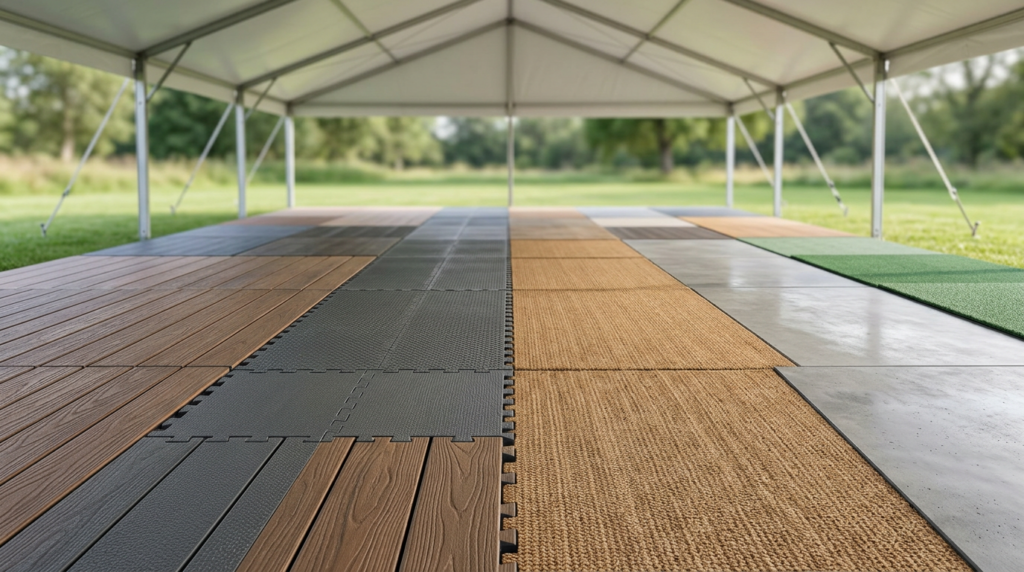
The initial investment for oil and gas site solutions encompasses procurement, transportation, and setup costs. Modular units often have a higher upfront cost due to their robust construction and specialized transport needs. In contrast, traditional tents, while appearing more affordable initially, might incur additional costs for specialized flooring, climate control, or enhanced security features.

For projects requiring swift deployment or frequent relocation, the efficiency of installation can also influence initial spending. Solutions like temporary structures for construction sites can offer advantages in this regard, balancing speed with cost. Budgeting for unexpected site preparation or regulatory compliance also forms part of this initial phase, and understanding essential site support is key.

Operational and Maintenance Expenses

Ongoing operational and maintenance expenses are critical to consider. This includes costs for utilities, regular cleaning, repairs, and potential upgrades. For instance, understanding the full-service installation of oil field tents can help in budgeting for long-term site support, as it often includes maintenance packages.

Ongoing operational and maintenance expenses are critical components of the total cost for oil and gas site solutions. Energy costs for heating, cooling, and lighting can be substantial, especially for operations in extreme climates. The insulation properties of a structure directly impact these expenses, with modular units generally offering better thermal efficiency than many traditional tent options.

Maintenance requirements also differ significantly. Modular structures typically demand less frequent maintenance due to their durable construction, whereas tents might require more regular inspections for wear and tear, and repairs for fabric damage. Additionally, security costs, waste management, and utility connections contribute to the recurring operational budget for any solution, including specialized energy sector warehousing solutions or personnel accommodations.

Long-Term Value and Adaptability

The long-term value of oil and gas site solutions is determined by their lifespan, adaptability, and resale or reuse potential. While some temporary structures for disaster relief may serve short-term needs, oil and gas operations often demand solutions that can withstand harsh environments for extended periods.

Modular units, with their longer lifespans and ability to be reconfigured or relocated, often offer greater long-term value. Traditional tents, depending on their quality, might have a shorter operational life, leading to more frequent replacement costs. Evaluating the flexibility to expand or modify the structure as project needs evolve is also a key factor in assessing long-term financial benefits, similar to how one might choose modular vs traditional infrastructure for diverse requirements.

Cost Factor Category Modular Structures Traditional Tents
Initial Investment Higher upfront cost due to robust construction and transport. Lower upfront cost, but may need additional features.
Installation Complexity Requires specialized equipment, but faster assembly once on-site. Generally quicker to erect, but site preparation can vary.
Energy Efficiency Superior insulation, leading to lower heating/cooling costs. Lower insulation, potentially higher energy consumption.
Maintenance Requirements Less frequent and typically more straightforward maintenance. More frequent inspections and potential repairs for fabric.
Lifespan & Durability Longer lifespan, designed for harsh conditions and repeated use. Variable lifespan depending on material quality and weather.
Relocation & Reusability Designed for easy relocation and reconfiguration. Can be relocated, but reusability depends on condition.

Careful evaluation of cost factors for oil and gas site solutions ensures that investments align with operational needs and long-term financial sustainability. This comprehensive approach helps in selecting the most economical and effective infrastructure.

To learn more about optimizing your site infrastructure, consider exploring our comprehensive range of modular and tent solutions designed for various industrial applications.

Installation and Maintenance of Oil and Gas Site Solutions

Effective installation and diligent maintenance are paramount for maximizing the lifespan and operational efficiency of any oil and gas site solutions. This section provides practical guidance for setting up and caring for these crucial structures, ensuring they remain robust and reliable in demanding environments. Understanding the typical modular tent installation time can help in planning project timelines effectively. By adhering to best practices, operators can enhance longevity and maintain peak operational readiness for their assets.

Initial Site Assessment and Preparation

Before any oil and gas site solutions are deployed, a thorough site assessment is essential. This involves evaluating soil conditions, topography, and potential environmental hazards to ensure the chosen solution is suitable. Proper preparation includes clearing the site, leveling the ground, and establishing a stable foundation to support the structure.

For modular structures, this often means precise grading and the installation of concrete pads or footings. For traditional tents, a well-compacted base is necessary to prevent sinking and ensure stability. Considerations such as drainage and access routes must also be addressed during this preparatory phase, and we can discuss specific needs for your location within our https://superiortentrentals.com/service-area/.

Deployment and Assembly Procedures

The deployment of oil and gas site solutions requires careful planning and execution. For modular units, this typically involves transporting pre-fabricated sections to the site and assembling them using cranes and specialized equipment. Each module is secured to the foundation and connected to adjacent units, ensuring structural integrity and weatherproofing.

Traditional tent installations, such as those used for construction site solutions, involve erecting frames and then attaching the fabric covers. This process requires a skilled team to tension the fabric correctly, ensuring it can withstand wind and other environmental stresses. Safety protocols are critical during all assembly phases to protect personnel and prevent damage to equipment. For your next project, you can easily request a quote for tent rentals.

Regular Inspections and Preventative Maintenance

Ongoing maintenance is crucial for the longevity and performance of all oil and gas site solutions. Regular inspections should be scheduled to identify any signs of wear, damage, or potential issues before they escalate. This includes checking structural components, fabric integrity, anchoring systems, and utility connections.

Preventative maintenance activities can range from cleaning and minor repairs to re-tensioning tent fabrics or reinforcing modular connections. Addressing small problems proactively helps to avoid costly repairs and operational downtime in the future. For temporary structures, understanding the best practices for oil sands site expansion can inform robust maintenance schedules for all remote sites, and we are proud of our work with our valued partners and associations for more.

Troubleshooting Common Issues

Despite best efforts, issues can arise with oil and gas site solutions. Common problems include leaks, structural instability, and equipment malfunctions. Troubleshooting these issues efficiently requires a systematic approach.

  1. Identify the Problem: Clearly define the issue, noting any symptoms or observations.
  2. Consult Documentation: Refer to manufacturer manuals and installation guides for troubleshooting steps.
  3. Inspect Related Components: Examine adjacent parts or systems that might be contributing to the problem.
  4. Implement Solutions: Apply the recommended fixes, which may involve sealing leaks, tightening fasteners, or replacing damaged parts.
  5. Verify Repair: Confirm that the issue has been resolved and the solution is functioning correctly.

Having a readily available supply of spare parts and engaging experienced technicians are vital for quick and effective problem resolution. Our insights into portable storage solutions also offer maintenance advice relevant to various on-site setups, much like the considerations for maintaining event furniture rentals for more.

Ensuring Safety and Compliance

Maintaining oil and gas site solutions in compliance with safety regulations is non-negotiable. This involves adhering to local building codes, industry standards, and environmental protection guidelines. Regular safety audits should be conducted to ensure all structures and equipment meet regulatory requirements, and you can learn more about structure rentals safety to ensure compliance. If you have specific questions, please feel free to reach out via our contact form.

Training personnel on proper maintenance procedures and safety protocols is also essential. Emergency response plans, including evacuation routes and equipment shutdown procedures, must be in place and regularly practiced. By prioritizing safety and compliance, operators can protect their workforce and the environment while ensuring the reliable operation of their oil and gas site solutions.

Proper installation and consistent maintenance are critical for the longevity and reliable performance of any oil and gas site solutions, safeguarding operations and ensuring structural integrity.

For further information on durable and efficient site infrastructure, consider exploring our extensive range of oil sands temporary structures.

Future Trends in Oil and Gas Site Solutions

The oil and gas industry is undergoing significant transformation, driven by technological advancements and a growing emphasis on sustainability. These forces are profoundly shaping the future of oil and gas site solutions, leading to more efficient, safer, and environmentally conscious operations. Emerging trends point towards integrated systems and smart infrastructure that can adapt to dynamic operational needs and environmental regulations.

One prominent trend is the increased adoption of digital twins and predictive analytics. These technologies allow operators to create virtual models of physical assets, optimizing performance and predicting maintenance needs before issues arise. Such proactive approaches minimize downtime and enhance the longevity of site infrastructure, making operations more reliable. This integration of data-driven insights is critical for complex oil and gas site solutions.

Automation and robotics are also playing a larger role in site management. From automated drilling systems to robotic inspection units, these innovations reduce human exposure to hazardous environments and improve precision. The deployment of advanced robotics helps to streamline operations and enhance safety protocols, which is vital for maintaining robust oil and gas site solutions.

Sustainability is another key driver, with a focus on reducing the environmental footprint of oil and gas operations. This includes the use of renewable energy sources to power remote sites, advanced waste management systems, and eco-friendly construction materials for temporary structures. Companies are increasingly seeking solutions that align with environmental stewardship, much like how temporary structures for disaster relief are designed for rapid, efficient deployment with minimal impact.

Modular and rapidly deployable structures continue to evolve, offering greater flexibility and quicker setup times. These modern solutions provide adaptable spaces for diverse needs, from housing to equipment storage. Their reusability and scalability make them a sustainable choice for various applications, including temporary structures for construction sites, demonstrating their versatility across demanding industries.

Furthermore, enhanced connectivity through 5G and satellite internet is transforming communication and data transfer capabilities at remote oil and gas sites. This improved connectivity supports real-time monitoring, remote control of equipment, and seamless integration of various digital tools. Such robust communication networks are fundamental for coordinating complex oil and gas site solutions and ensuring operational continuity.

The integration of advanced security systems, including drone surveillance and AI-powered monitoring, is also a growing trend. These systems provide enhanced protection for personnel and assets, safeguarding critical infrastructure from potential threats. Just as important for security, thoughtful consideration goes into ensuring structure rentals are safe for public safety and comfort, similar attention to detail is applied to industrial site security, and you can review our privacy policy for more information.

Future trends in oil and gas site solutions emphasize technology, sustainability, and adaptability to optimize operations and enhance safety in the industry.

To explore how these cutting-edge solutions can benefit your next project, contact our team for tailored insights and options.

Conclusion: Securing Your Operations with the Right Oil and Gas Site Solutions

Navigating the complexities of the energy sector demands robust and reliable oil and gas site solutions. Choosing between modular structures and traditional tents involves a careful evaluation of factors such as project duration, environmental conditions, scalability needs, and budget constraints.

The insights discussed throughout this guide emphasize that an informed decision significantly contributes to operational efficiency, worker safety, and overall project success. Whether you require temporary structures for disaster relief or robust setups for construction sites, understanding your options is crucial.

For example, exploring options like temporary structures for disaster relief can provide essential infrastructure during emergencies, while specialized temporary structures for construction sites support long-term projects. Additionally, understanding the differences between pole tent and frame tent options can help tailor your event setup.

Investing in the right oil and gas site solutions ensures that your operations remain secure, adaptable, and compliant with industry standards. We encourage you to explore tailored options to enhance your operational security and efficiency, considering both immediate needs and long-term strategic goals.

Effective portable storage solutions for businesses are also integral for managing equipment and materials efficiently on site. By carefully assessing your specific requirements, you can select solutions that provide optimal performance and value.

Choosing appropriate oil and gas site solutions is paramount for operational success, balancing efficiency, safety, and cost-effectiveness in challenging environments. For instance, understanding the differences between pole tent and frame tent options can significantly impact site setup and safety protocols.

For additional resources, consider our detailed guide on choosing the right event tent for your needs, which offers principles applicable to various temporary structure selections, including the ability to rent clearspan tents in Edmonton, AB.

contact Us today!

Contact us today to experience the Superior Difference.

Structure Tents vs. Frame Tents: Safety

Need structure tent rentals? Compare safety features of structure vs. frame tents for your event needs. Find out more.

Clear Tent Rentals: Elevate Local Events

Searching for crystal-clear tent rentals nearby? Discover stunning, transparent structures to make your event unforgettable. Get a quote today!
Heavy-duty event tent interior with metal frame and durable canopy, ideal for weddings, parties, and corporate events, provided by Superior Tent Rentals.

Industrial Tent Rentals: Clearspan Solutions

Need industrial tent rentals? Get reliable clearspan solutions for your large-scale projects. Discover your options now!