
Answer
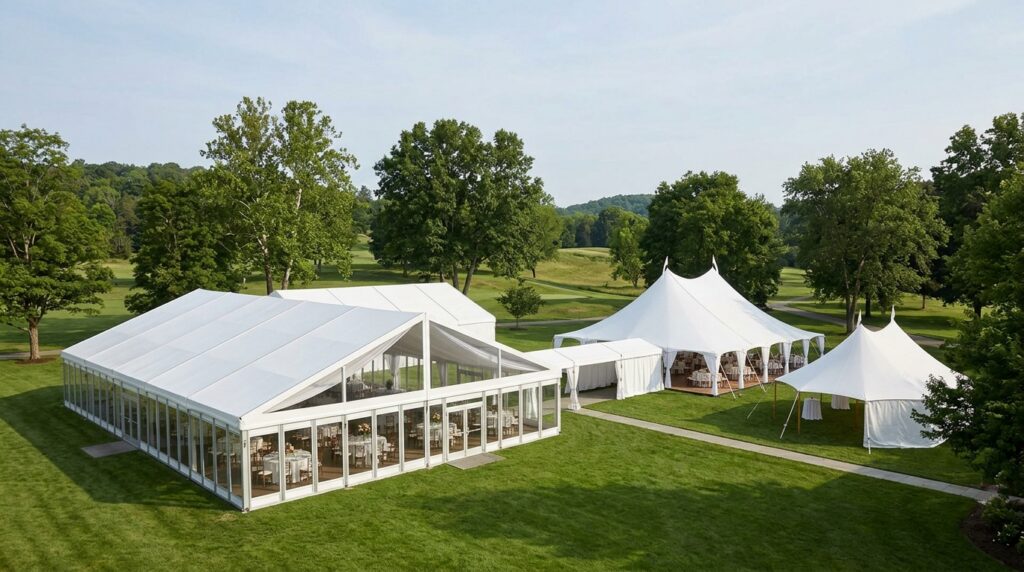
A key safety consideration for event planners is how different tent designs withstand various conditions; structure tents offer a rigid framework for increased stability against wind and weather, while frame tents provide open interiors and adaptability for smaller spaces. Superior Tent Rentals prioritizes attendee safety by offering engineer-certified structures and precise installations that meet local regulations. Choosing the correct tent type depends on expected weather, ground conditions, and event duration.
Overview
This guide outlines the safety distinctions between structure tents and frame tents, helping event planners make informed decisions. It covers how each tent type performs under various conditions, emphasizing stability, engineering, and proper installation. The content also includes a labeled real-world hypothetical scenario involving Liam, offering practical insights into choosing the right tent for specific event needs.
- Tent Safety: Explore the basic safety differences between structure and frame tents.
- Wind Ratings: Discover how structure tents handle wind and other weather conditions.
- Real-World Example: See how frame tent engineering ensures secure setups for events.
- Event Planning: Learn about factors for safe tent rentals.
- Weather Prep: Prepare for adverse weather with structure tent strategies.
- Install Safety: Review the importance of professional tent installations.
Structure vs Frame Tent Safety Basics
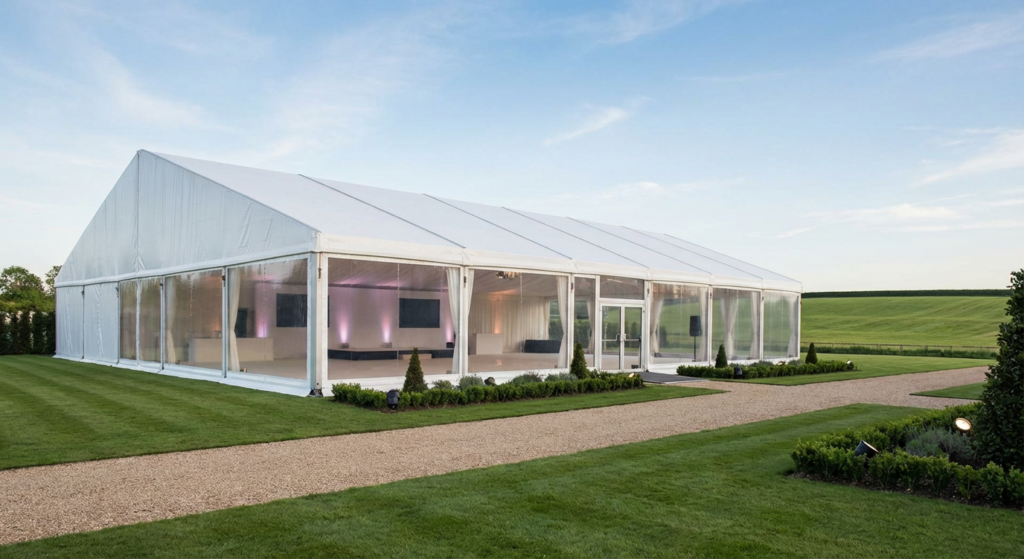
Safety considerations for any temporary outdoor structure begin with understanding fundamental design differences. Structure Tents rely on a rigid, interconnected aluminum framework, offering enhanced stability and superior wind resistance. This differs from traditional frame tents, which use a less rigid system with poles and tensioning.
Superior Tent Rentals prioritizes safety by providing engineering certifications for all Structure Rentals and ensuring precise installations. We find that for larger-scale or longer-term applications, the inherent stability of a structure tent often makes it the preferred choice for clients here. This design provides robust support, especially important for events where weather unpredictability is a factor.
| Key Safety Components for Structure Tents | Key Safety Components for Frame Tents |
|---|---|
| Rigid aluminum or steel framework. | Freestanding frame of aluminum or steel pipes. |
| Keder track system secures fabric to the frame, distributing stress evenly. | Fabric tensioned over the frame and secured with straps and ropes. |
| No interior poles, allowing for clear span space and fewer trip hazards. | Requires guy lines or anchoring to maintain stability, sometimes with center poles. |
| Engineered for higher wind loads and more extreme weather conditions. | Suitable for moderate weather; wind resistance depends on anchoring and tensioning. |
| Typically anchored with heavy weights or drilled into the ground for maximum security. | Secured with stakes or weights, offering adaptability for various surfaces. |
| Often used for long-term installations or commercial applications. | Common for shorter events, smaller gatherings, or areas with space constraints. |
| Professional installation is standard, often requiring specialized equipment. | Installation can vary from professional setup to DIY for smaller sizes. |
| Provides robust support for accessories like HVAC and lighting grids. | Supports lighter accessories, with care taken to avoid frame overload. |
| Requires professional assessment of site conditions for proper installation. | Adaptable to uneven terrain but requires careful leveling and anchoring. |
| Designed to withstand heavy rain and snow loads, channeling water efficiently. | May require additional measures for heavy rain or snow to prevent pooling. |
| Structure Tent Stability against wind is a primary design advantage. | Frame tents are versatile for different layouts. |
| Ideal for large events or industrial needs where maximum integrity is key. | Often preferred for backyard parties, fairs, or events needing quick setup. |
| Fabric panels fit snugly within the frame, limiting flapping and noise. | Fabric can be less taut, potentially leading to more movement in wind. |
| Typically requires a larger installation footprint due to the rigid structure. | Can fit into tighter spaces due to flexible frame and lack of internal poles (for some designs). |
| Designed for longevity and repeated use in demanding environments. | More portable and adaptable for frequent relocation and diverse events. |
Structure Tent Stability and Wind Ratings
Structure tents are engineered for superior stability, particularly against high winds, due to their rigid aluminum frames and tensioned fabric. These structures feature interconnected components that distribute external forces across the entire frame, minimizing points of stress. This design allows for reliable performance in varying weather conditions, a key factor for event safety.
We often advise clients in our region to consider these engineered solutions for longer-term installations or events where weather unpredictability is a concern. The robust construction of these tents means they can withstand wind loads that might challenge less rigid options. For example, some specialized high wind tents are designed to meet specific engineering certifications.
Structure Rentals often come with documented wind ratings, indicating the maximum wind speed they can safely endure when properly installed. These ratings are determined through engineering analysis and testing, providing clear operational limits. This information helps event planners assess suitability for their site and expected conditions, offering a higher degree of safety assurance.
| Feature | Structure Tent Characteristics | Benefit for Stability |
|---|---|---|
| Frame Material | Heavy-duty extruded aluminum or steel | Provides inherent rigidity and strength against lateral forces. |
| Roof Design | Steep pitch or curved profiles | Sheds wind efficiently, reducing uplift and drag. |
| Anchoring | Extensive staking, ballast, or ground anchoring systems | Secures the tent firmly to the ground, preventing movement in high winds. |
| Fabric Tension | High tension on fabric panels | Minimizes flapping and stress points, maintaining structural integrity. |
| Engineering Certification | Often provided with stamped engineering drawings for specific wind loads | Verifies design meets industry standards for safety and performance, important for tent installation amp services. |
Frame Tent Engineering for Secure Setups
Selecting the right temporary structure for an event involves balancing aesthetic needs with crucial safety considerations. Different tent designs offer varying levels of stability against environmental factors, impacting both the guest experience and overall event security.
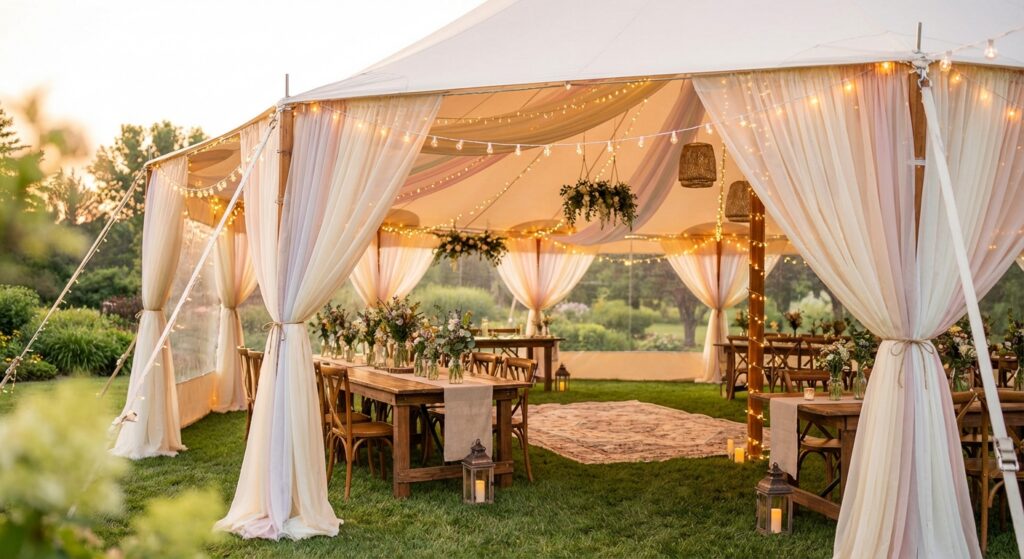
Liam is planning an outdoor wedding and is torn between two tent rental options. He’s concerned about potential wind and weather impacting the event’s safety and the comfort of his guests. Should Liam prioritize the open interior of a frame tent or the enhanced stability of a structure tent for his outdoor wedding in Edmonton?
Recommendation: Structure Tent Rental
Superior Tent Rentals would recommend a structure tent for events in Edmonton where stability against wind and weather is a primary concern. This type of tent offers a more robust framework, ensuring greater safety and peace of mind for your event.
Choosing Tent Rentals for Event Safety
Selecting the right tent for an event involves evaluating site conditions, expected occupancy, and potential weather challenges. Factors such as ground stability and the presence of overhead obstacles directly influence which tent type offers the best safety profile.
For events where wind gusts are common, a structure tent with its rigid aluminum frame and tensioned fabric provides a higher degree of stability. Conversely, frame tents offer more flexibility for uneven terrain or when access for staking is limited, making them suitable for urban settings or patios. Tent Rental Tips can help event planners review key considerations for their particular needs.
Superior Tent Rentals helps clients weigh these factors by reviewing event specifics before recommending options. We assist with selecting the appropriate tent, ensuring it aligns with safety regulations and the local climate. Request Quote to discuss your event’s requirements.
| Scenario | Recommended Tent Type | Reasoning |
|---|---|---|
| Long-term installations or harsh weather | Structure Tent | Engineered for sustained wind loads and heavier snow accumulation; often requires anchoring with stakes or ballast. |
| Events on concrete, asphalt, or patios | Frame Tent | Does not require center poles or extensive staking, allowing for setup on impermeable surfaces. |
| Need for clear interior space without obstructions | Frame Tent | Self-supporting frame eliminates internal poles, maximizing usable space. |
| Large-scale events with high occupancy | Structure Tent | Offers greater structural integrity and often larger capacities. |
| Varied ground conditions or limited setup area | Frame Tent | More adaptable to uneven ground and tighter spaces due to its modular design. |
Weather Preparedness with Structure Tents
Ensuring event safety during unpredictable weather requires selecting the right temporary shelter. Structure tents provide enhanced protection against diverse weather conditions due to their rigid, engineered framework. This design allows them to remain standing in higher winds and heavier precipitation than other tent types, offering greater reliability for outdoor events.
Their design includes options for hard sidewalls, insulation, and integrated climate control systems. We regularly recommend these features for events that span multiple days or occur during colder months here in Alberta, providing a comfortable environment regardless of external conditions. This adaptability makes them a preferred choice for industrial tent rentals and long-term commercial operations.
While the initial investment for Structure Rentals might be higher, the added safety and stability offer value when expecting varied weather. When planning for extreme conditions, consider whether a conventional tent offers adequate protection for attendees and equipment.
| Weather Condition | Structure Tent Preparedness |
|---|---|
| High Winds | Engineered frame provides stability; often rated for sustained winds up to 120 km/h depending on specific model and anchoring. |
| Heavy Rain | Integrated gutter systems and tensioned fabric prevent pooling and leaks, keeping interiors dry. |
| Snowfall | Roof slopes and material strength resist snow accumulation, with some models designed for significant snow loads. |
| Temperature Extremes | Compatible with HVAC systems and insulation options to maintain comfortable indoor temperatures. |
| Hail | Durable fabric and rigid construction offer improved resistance compared to lighter tent alternatives. |
Professional Tent Installations for Safety
Professional tent installation ensures every component is correctly secured, mitigating risks associated with improper setup. This meticulous process helps safeguard attendees and preserve the integrity of the event space, regardless of the tent’s design or size. Superior Tent Rentals makes sure each installation meets industry standards and local safety codes.
When planning an event, relying on experienced installers prevents common errors that can compromise tent stability, especially in unpredictable weather. We carefully assess site conditions, including ground type and potential wind exposure, to determine the most effective anchoring methods for various tent installation projects. This attention to detail is paramount for large-scale events or long-term placements.
- Site Assessment: Before installation, our team conducts a thorough site evaluation to identify ground conditions, underground utilities, and potential obstructions. This step also includes reviewing weather forecasts relevant to the installation and event dates.
- Permit Verification: We confirm that all necessary permits and approvals from local authorities are in place, ensuring compliance with building codes and safety regulations. This often requires submitting engineering drawings for approval.
- Layout and Anchoring: Accurate layout of the tent footprint is followed by precise anchoring, which involves driving stakes or securing ballast systems according to engineering specifications. This provides foundational stability for the entire structure.
- Frame Assembly: Structural components like poles, beams, and connectors are assembled according to manufacturer guidelines, ensuring correct tensioning and alignment. Every joint is checked for secure attachment.
- Fabric Installation: The tent fabric is carefully hoisted and attached to the frame, then properly tensioned to prevent flapping and water pooling. This step also involves sealing seams and checking for any potential leaks.
- Safety Inspection: A final walk-through inspection confirms all safety measures are in place, including emergency exits, clear pathways, and secure attachments. We also confirm proper lighting and other event safety elements.
FAQ
To help you make an informed decision for your event, we’ve compiled answers to some common questions about structure rentals and frame tents, focusing on their safety and suitability.
| Question | Answer |
|---|---|
| When should Liam choose a structure tent over a frame tent for his Edmonton wedding? | Liam should choose a structure tent for his wedding in Edmonton if wind and weather stability are primary concerns. Structure tents offer a more robust framework, providing greater safety and peace of mind for events in unpredictable weather. This design is engineered for sustained wind loads and heavier precipitation. |
| How do structure tents handle high winds compared to frame tents? | Structure tents have a rigid, interconnected aluminum framework that distributes external forces across the entire frame, offering superior stability and wind resistance. Frame tents rely on poles and tensioning, and their wind resistance can depend more heavily on anchoring and fabric tension. |
| What are the key safety components for structure tents? | Key safety components for structure tents include a heavy-duty extruded aluminum or steel framework, steep pitch or curved roof designs to shed wind, extensive staking or ballast anchoring systems, and high tension on fabric panels. Many also come with engineering certifications for specific wind loads. |
| Can frame tents be used on surfaces like concrete or asphalt? | Yes, frame tents can be suitable for events on concrete, asphalt, or patios because they do not require center poles or extensive staking. Their self-supporting frame allows for setup on impermeable surfaces, offering flexibility for urban settings or areas where ground anchoring is not feasible. |