
Understanding High Wind Tents
High wind tents are engineered structures specifically designed to endure challenging weather conditions, ensuring the safety and stability of any setup. These specialized tents are crucial for events, industrial projects, and emergency shelters where conventional tents would fail due to strong gusts.
The primary importance of these robust shelters lies in their ability to maintain structural integrity when exposed to significant wind loads. This capability prevents potential damage, costly disruptions, and ensures continuous operation, even in adverse environments. When considering tent options for your event, understanding the differences between a pole tent vs. frame tent can help you make the best choice for your needs, and exploring pole tent rentals is a good starting point.
By understanding the unique design and construction of high wind tents, you can make informed decisions to secure your installations and protect occupants from unexpected weather shifts.
What Are High Wind Tents?
High wind tents are specialized temporary structures engineered to endure severe weather conditions, particularly strong winds. Unlike standard tents, these structures incorporate advanced design principles and materials to maintain stability and integrity when faced with significant wind loads. Their primary purpose is to provide a safe and reliable shelter solution in environments where conventional tents would fail. For a comparison of different tent types, consider our guide on pole tent vs. frame tent options for more.
The core distinction of high wind tents lies in their structural reinforcement and aerodynamic profiles. They are meticulously designed to distribute wind forces efficiently across the frame and anchoring system, minimizing stress points that could lead to collapse. This robust construction is essential for applications ranging from outdoor events to industrial sites, ensuring continuous operation and safety.
Structural Differences and Engineering
The engineering behind high wind tents focuses on creating a resilient and stable enclosure. This involves careful consideration of several critical components that work in harmony to withstand powerful gusts, as detailed in our guide on structure tents vs. frame tents and their safety for more.
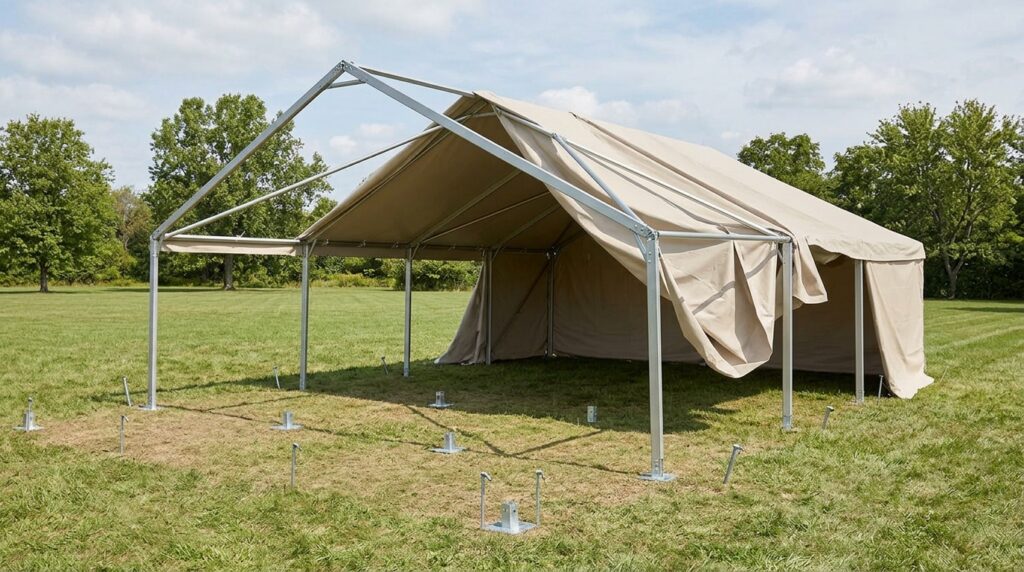
- Reinforced Framework: The frames of high wind tents are typically constructed from heavy-duty aluminum or steel alloys. These materials offer superior strength-to-weight ratios and are often designed with larger diameters and thicker gauges than those found in standard tents. Connections between frame components are also reinforced, often using specialized fittings that lock securely to prevent dislodgement.
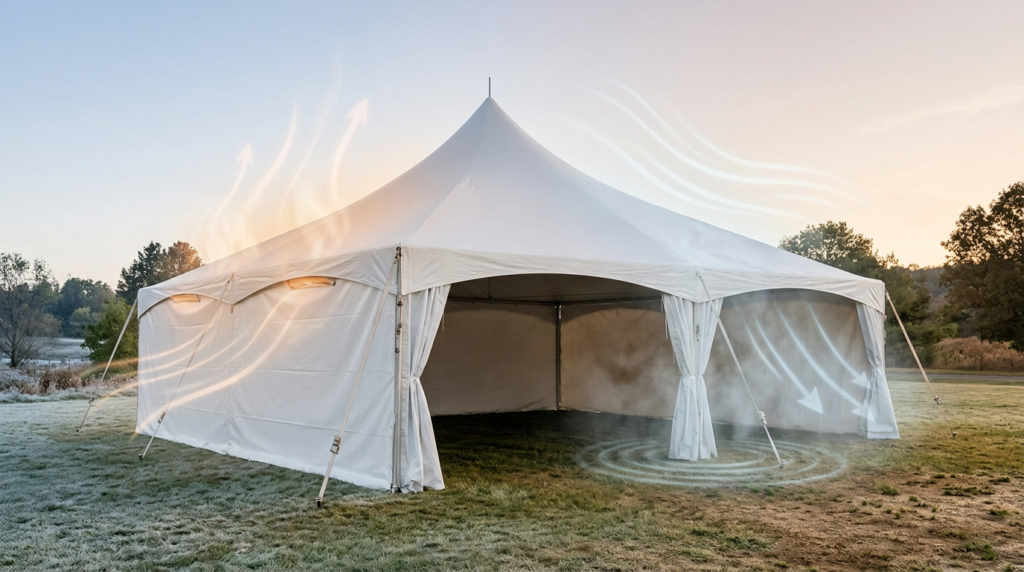
- Aerodynamic Design: The shape of high wind tents plays a crucial role in their wind resistance. Many designs feature sloped roofs, rounded edges, or geodesic dome structures that allow wind to flow over and around them rather than creating large flat surfaces for wind to push against. This reduces drag and uplift forces.
- Advanced Fabric Technology: The tent fabric itself is another key element. High-quality high wind tents utilize heavy-duty, tear-resistant PVC or similar robust textiles. These fabrics are often coated for UV protection, waterproofing, and mildew resistance, further extending their durability in harsh conditions. The way the fabric is attached to the frame, typically with keder track systems or robust straps, also prevents flapping and tearing. For more information on fabric types, see our tent fabric guide for more.
- Superior Anchoring Systems: Proper anchoring is paramount for high wind tents. These systems go beyond simple stakes and often include heavy-duty ground anchors, concrete ballasts, or water barrels, which provide substantial weight and resistance against uplift. The number and placement of anchor points are strategically calculated to distribute tension evenly and prevent the tent from becoming airborne.
These engineered features ensure that high wind tents can reliably provide shelter and operational space even when weather forecasts predict challenging conditions. Their enhanced design makes them indispensable for critical projects and events where safety and continuity are non-negotiable.
Key Features of High Wind Tents
High wind tents are engineered with specific features to ensure their stability and integrity in challenging weather conditions. Understanding these design elements is crucial when selecting a reliable shelter. These tents go beyond standard designs, incorporating robust materials and advanced construction techniques to withstand powerful gusts.
The ability of high wind tents to resist severe weather comes from a combination of reinforced components and meticulous engineering. Each feature plays a vital role in distributing wind loads and maintaining structural stability, protecting both occupants and equipment inside. For instance, understanding the differences between tent types, such as pole tent versus frame tent options, can help in choosing the most suitable structure for your specific needs.
- Reinforced Frame Construction. The skeletal system of high wind tents is typically made from heavy-duty aluminum or steel, featuring larger diameter poles and thicker walls than conventional tents. This enhanced frame provides superior rigidity and resistance to bending or breaking under extreme pressure.
- Heavy-Duty Fabrics. The outer shell of high wind tents uses high-denier, tear-resistant fabrics that are often coated for UV protection and waterproofing. These materials are chosen for their durability and ability to endure abrasive forces from wind-borne debris and continuous flapping without tearing. Learn more about tent fabric pros and cons in our comprehensive guide.
- Advanced Anchoring Systems. Secure anchoring is paramount for high wind tents. These systems often include heavy-duty stakes, guy lines made from strong, low-stretch rope, and sometimes even concrete anchors or ballasts. Proper anchoring ensures the tent remains firmly grounded, preventing lift-off or movement.
- Aerodynamic Designs. Many high wind tents feature low-profile, dome, or geodesic shapes. These designs minimize the surface area exposed to direct wind, allowing air to flow smoothly over and around the structure, thereby reducing drag and stress on the frame.
- High-Quality Connectors and Joints. All connection points in the tent frame are reinforced, often utilizing heavy-duty steel or specialized polymer joints that can withstand significant stress. These robust connectors prevent weak points that could fail in strong winds.
- Stress-Tested and Certified. Reputable manufacturers often subject high wind tents to rigorous testing in wind tunnels or real-world simulations. Some tents may even carry certifications for specific wind load capacities, offering an extra layer of assurance regarding their performance.
Benefits of Choosing High Wind Tents
Choosing high wind tents provides numerous advantages, particularly when facing unpredictable weather conditions. These specialized structures are engineered to offer superior protection and stability, making them indispensable for critical applications and events where reliability is paramount.
One of the primary benefits is significantly enhanced safety. Unlike standard tents, high wind tents are designed with robust frameworks and advanced anchoring systems that minimize the risk of collapse or damage during severe gusts. This ensures the safety of occupants and equipment inside.
Moreover, high wind tents offer unmatched reliability in adverse weather. Whether you’re setting up a temporary workspace, a large-scale event, or a disaster relief shelter, these tents can withstand challenging environmental factors, including strong winds, heavy rain, and even snow loads. Our team has installed hundreds of tents in coastal areas and has observed firsthand that the superior anchoring systems on high wind tents are crucial for preventing structural failure during storms, keeping projects on schedule. For more information on tent types, consider our guide to pole vs. frame tents.
The suitability for critical applications is another key advantage. Industries such as oil and gas, construction, and emergency services often operate in exposed or remote locations where weather resilience is non-negotiable. High wind tents provide the durable, secure shelter needed for these operations, ensuring continuity and protection for personnel and valuable assets. For oil and gas operations, consider exploring oil field tent rentals for full-service installation.
Finally, investing in high wind tents can lead to cost savings in the long run. By preventing damage and disruptions caused by weather-related failures, these tents reduce the need for costly repairs, replacements, and rescheduling. Their durability also means a longer lifespan and better return on investment.
How to Choose the Right High Wind Tent
Selecting the appropriate high wind tents for your specific needs is a critical decision that impacts safety, functionality, and cost. This guide will walk you through the essential factors to consider, from understanding local wind rating requirements to assessing site conditions and determining the right size and materials for your event or project.
-
Assess Wind Rating Requirements: The first step is to identify the maximum wind speeds your high wind tents must withstand. This often depends on local building codes, event permits, and the specific environmental conditions of your site. Always choose tents certified to exceed anticipated wind loads.
-
Evaluate Site Conditions: The location where the tent will be erected plays a significant role. Open fields, coastal areas, or elevated sites typically experience stronger winds than sheltered urban environments. Consider ground type for anchoring, proximity to other structures, and potential wind tunnels.
-
Determine Size and Capacity: Based on the number of occupants, equipment, or activities planned, determine the necessary dimensions for your high wind tents. Ensure there is ample space for all intended uses while maintaining structural integrity in windy conditions. Larger tents generally require more robust engineering and anchoring. For guidance on selecting the right size, consult our tent size guide for your event for more.
-
Consider Material Durability: The strength of the tent fabric and frame materials is paramount. Look for heavy-duty vinyl or polyester fabrics that are UV-resistant, waterproof, and tear-resistant. Frames should be constructed from high-grade aluminum or steel, designed for superior rigidity and load-bearing capacity against strong winds.
-
Plan for Professional Installation: Proper installation and anchoring are non-negotiable for high wind tents. Professional installers have the expertise and specialized equipment to ensure the tent is securely erected, with appropriate ballast or stakes, to meet stringent safety standards. This prevents damage and ensures occupant safety.
Understanding Wind Load Certifications
When selecting high wind tents, understanding wind load certifications is paramount. These certifications indicate the maximum wind speed a tent can safely endure when properly installed. Different certifications exist, and it’s essential to match the tent’s rating with the expected environmental conditions of your site. Always verify that the certification comes from a reputable engineering firm or testing agency, and consult our tent size guide for event planning.
Ignoring wind load ratings can lead to catastrophic failures, property damage, and potential injuries. Reputable suppliers of high wind tents will readily provide documentation for their products’ wind ratings, ensuring you make an informed and safe choice for your temporary structure.
Site-Specific Considerations for Tent Placement
Proper placement of high wind tents is crucial for their performance and longevity. Beyond general site conditions, consider microclimates and specific wind patterns at your chosen location. Factors such as nearby buildings, natural windbreaks like hills or dense tree lines, and even the orientation of the tent can significantly influence how wind impacts the structure. Understanding the differences between tent types, such as comparing pole tents and frame tents, can also inform placement decisions, especially when considering the aesthetic of sailcloth tents.
An expert site assessment can identify potential wind corridors or areas of increased turbulence, allowing for strategic placement or the implementation of additional wind mitigation strategies. Ensuring the ground is level and suitable for anchoring systems is also a key part of these site-specific considerations.
Material and Frame Strength in High Wind Tents
The resilience of high wind tents largely depends on the quality of their materials and frame construction. Frames built from heavy-gauge anodized aluminum or galvanized steel provide the necessary strength and corrosion resistance to withstand extreme weather. These materials offer a high strength-to-weight ratio, making the tents both robust and manageable for installation.
Regarding fabric, opting for flame-retardant, UV-treated, and reinforced vinyl or polyester ensures durability against tearing, fading, and deterioration. Seams should be heat-sealed or double-stitched for maximum integrity, preventing water penetration and ensuring the tent remains a reliable shelter against strong winds and rain. For a deeper dive into fabric options, explore our tent fabric guide detailing pros and cons, and understand the differences in structure rentals safety.
Installation and Anchoring of High Wind Tents
Proper installation and secure anchoring are paramount for ensuring the structural integrity of high wind tents. Unlike standard tents, high wind tents require meticulous attention to detail during setup to withstand significant wind forces effectively. Failing to adhere to best practices can compromise safety and lead to costly damages, making this step as crucial as the quality of the tent itself.
The foundation of a robust tent setup lies in its anchoring system. Specialized high wind tents are designed with reinforced anchor points that must be securely fastened to the ground using appropriate methods. This process involves more than just pounding stakes into the soil; it often requires a comprehensive understanding of soil composition, expected wind loads, and the specific anchoring hardware provided with the tent.
Best practices for installing high wind tents include:
- Ensuring all anchor points are utilized and properly tensioned.
- Using the correct type and length of stakes or weights for the ground conditions.
- Considering the wind direction and potential impact on the tent structure.
- Regularly inspecting anchors throughout the event, especially in changing weather conditions.
- For critical events or extreme weather, consult professional installation services for peace of mind.
Understanding the different types of tents and their specific installation requirements is also vital. For instance, the choice between a pole tent and a frame tent can significantly impact setup and anchoring needs, so it’s important to know which tent type suits your event best. For events where visibility and aesthetics are key, consider clear tent rentals for a unique atmosphere.
-
Site Assessment: Before installation, conduct a thorough assessment of the site. Identify potential wind corridors, assess soil type for optimal anchoring, and clear any debris that could affect stability. Understanding the terrain helps determine the most effective anchoring strategy for your high wind tents.
-
Foundation and Leveling: Ensure the ground is as level as possible. An uneven foundation can create stress points in the tent structure, making it more vulnerable to wind gusts. Use shims or other leveling tools as needed to establish a stable base.
-
Robust Anchoring Systems: Utilize all designated anchor points with heavy-duty stakes, augers, or concrete weights, depending on the ground conditions and anticipated wind speeds. Each anchor point should be tensioned correctly to distribute the load evenly across the structure.
-
Frame Assembly: Assemble the tent frame according to manufacturer specifications. Ensure all connectors are securely locked and tightened. A rigid, properly assembled frame is fundamental for transferring wind loads efficiently to the anchoring system.
-
Fabric Attachment: Securely attach the tent fabric to the frame using all available straps, clips, and tensioning devices. Loose fabric can flap violently in the wind, creating stress on seams and potentially tearing, thus undermining the integrity of your high wind tents.
-
Regular Inspections: During the tent’s deployment, conduct regular inspections, especially after significant weather changes. Check all anchor points, tension straps, and frame connections to ensure they remain secure and show no signs of loosening or wear.
By following these best practices, you can significantly enhance the stability and safety of your high wind tents, providing reliable shelter even in challenging conditions.
Applications of High Wind Tents
High wind tents are indispensable in numerous settings where robust, reliable temporary structures are critical. Their ability to withstand significant environmental forces makes them suitable for diverse applications beyond standard event setups. These specialized structures provide essential shelter and operational space in conditions where conventional tents would fail.
Whether for long-term industrial projects or short-term emergency responses, high wind tents ensure continuity and safety. The unique design and engineering of high wind tents make them a preferred choice for challenging environments, offering unparalleled stability and protection.
Here are some key applications where high wind tents prove essential:
- Industrial and Construction Sites: Providing temporary shelter and workspaces for projects in remote or harsh environments, such as those found in the oil and gas sector.
- Emergency Shelters: Rapid deployment for disaster relief, offering immediate protection for displaced populations.
- Event Venues: Creating stable and secure spaces for festivals, concerts, and outdoor gatherings, even in areas prone to strong winds.
- Temporary Warehousing: Offering secure storage solutions for businesses needing extra capacity, especially within the energy sector.
- Military and Government Operations: Supplying reliable infrastructure for temporary bases or command centers.
The versatility of high wind tents extends to various specific needs, including specialized structures for oil and gas operations. For instance, understanding the differences between various tent types can help in selecting the most appropriate structure for a specific application; for example, you can learn about pole tent vs. frame tent options for your event needs, or consult our Edmonton tent rentals guide for local event planning.
| Application Type | Description of Use |
|---|---|
| Event Venues | Providing secure and stable large-scale shelters for outdoor concerts, festivals, and major public gatherings, protecting attendees and equipment from unexpected gusts. |
| Industrial Sites | Creating temporary workshops, storage facilities, or break areas at construction sites, oil and gas fields, or mining operations, ensuring worker safety and operational efficiency. |
| Emergency Shelters | Deploying rapid-response shelters for disaster relief efforts, medical triage centers, or temporary housing in areas affected by severe weather or humanitarian crises. |
| Agricultural Operations | Offering protective coverings for crops, livestock, or machinery, and creating temporary processing or storage facilities that can endure harsh agricultural climates. |
These specialized high wind tents are engineered to maintain structural integrity, making them vital for operations that cannot afford interruptions due to adverse weather. Their adaptability and strength ensure that critical activities can proceed safely and efficiently, even when faced with challenging wind conditions. Understanding the differences between tent types, such as pole tents and frame tents, can help in selecting the most suitable option for specific needs.
Maintenance and Care for High Wind Tents
Proper maintenance and care are crucial for extending the lifespan and ensuring the continued reliability of high wind tents. Regular attention to cleaning, storage, and inspections helps these specialized structures perform optimally when facing challenging weather conditions. For projects in this region, understanding the nuances of temporary infrastructure in Northern Alberta is key.
Neglecting these steps can compromise the structural integrity of even the most robust high wind tents, potentially leading to damage or failure during severe gusts. Consistent care protects your investment and ensures safety for occupants and equipment.
Essential Cleaning Practices
Keeping your high wind tents clean is fundamental for their longevity. Dirt, debris, and environmental residues can degrade fabric over time if not properly removed. For more information on different tent materials and their care, consult our Edmonton tent rentals guide for more.
- Mild Soap and Water: Use a gentle, non-abrasive soap with lukewarm water to clean tent fabric. Avoid harsh chemicals or detergents that can strip protective coatings.
- Soft Brushes or Cloths: Apply cleaning solutions with soft brushes or cloths to prevent scratching or damaging the tent material.
- Thorough Rinsing: Rinse the tent thoroughly with clean water to remove all soap residue. Leftover soap can attract dirt and promote mildew growth.
- Air Drying: Always allow the tent to air dry completely before packing it away. Moisture trapped in storage is a primary cause of mildew, odors, and fabric deterioration.
Proper Storage Techniques
How you store your high wind tents significantly impacts their condition and readiness for future use. Incorrect storage can lead to irreversible damage, so understanding the best practices is crucial, much like when considering modular vs traditional infrastructure for event setups.
- Dry and Cool Environment: Store tents in a dry, cool, and well-ventilated area away from direct sunlight and extreme temperatures.
- Clean Before Storage: Ensure the tent is thoroughly cleaned and completely dry before folding and storing. Any residual moisture can lead to mold and mildew.
- Avoid Compression: Do not store tents under heavy objects, as prolonged compression can damage frames and fabrics.
- Protective Bags: Use the tent’s original storage bags or other protective containers to shield it from dust, pests, and accidental punctures.
Regular Inspection Protocol
Routine inspections are vital for identifying potential issues before they escalate into major problems, particularly for high wind tents designed for demanding environments. Understanding the different types of tents and their specific needs can help in maintaining them, so consider reading about pole tent vs. frame tent options.
- Fabric Check: Examine the tent fabric for any tears, abrasions, pinholes, or signs of UV damage. Pay close attention to seams for separation or fraying.
- Frame Assessment: Inspect all frame components, including poles, connectors, and tensioning systems, for bends, cracks, corrosion, or loose parts.
- Anchoring System Review: Check stakes, guy lines, ropes, and anchoring hardware for wear, rust, or damage. Ensure all components are present and functional.
- Zipper and Fastener Test: Verify that all zippers, buckles, and other fasteners operate smoothly and securely. Lubricate zippers if necessary.
- Repair as Needed: Address any minor damage immediately. Small repairs can prevent larger, more costly issues and ensure the tent remains effective against high winds.
Cost Considerations for High Wind Tents
The investment in high wind tents can vary significantly based on several key factors. Understanding these elements is crucial whether you are planning to purchase or rent. The cost reflects the specialized engineering and robust materials required to ensure these structures can reliably withstand severe weather conditions.
When evaluating the cost of high wind tents, consider the following primary influences:
- Size and Capacity: Larger tents naturally require more materials, stronger framing, and more extensive anchoring systems, directly impacting their overall price. The footprint and height of the tent are significant determinants.
- Material Quality: The type and grade of fabrics (e.g., heavy-duty PVC, reinforced polyester) and frame components (e.g., aluminum, steel alloys) play a major role. Superior, wind-resistant materials cost more but offer enhanced durability and safety. Learn more about the pros and cons of different tent fabrics.
- Structural Design and Features: Advanced designs, such as geodesic domes or highly tensioned clear span structures, which offer superior wind resistance, typically come with a higher price tag. Additional features like reinforced seams, specialized connectors, and integrated ballast systems also contribute to the cost.
- Certifications and Engineering: Tents with certified wind ratings and professional engineering stamps, which are essential for many applications, often incur higher development and testing costs. These certifications provide assurance of performance under specific wind loads.
Deciding between renting and purchasing high wind tents also involves distinct financial considerations. Renting is often more cost-effective for one-off events or short-term projects, as it eliminates upfront capital expenditure, maintenance, and storage costs. Purchasing, conversely, may be more economical for frequent or long-term use, providing asset ownership and greater customization opportunities. Understanding the differences between various tent types, such as pole tents and frame tents, can also influence your decision, especially when considering temporary structures for industrial applications like those used in oil sands site expansion.
Frequently Asked Questions About High Wind Tents
Understanding the intricacies of high wind tents is crucial for ensuring the safety and success of any outdoor event or project. This section addresses common queries, providing clear and concise answers to help you make informed decisions when selecting and utilizing these specialized structures. For additional support and resources, consider exploring our guide to essential site support for your event.
How are high wind tents different from standard tents?
High wind tents are engineered with superior structural integrity to withstand significant wind forces, unlike standard tents. They feature reinforced frames, often made from heavy-duty aluminum or steel, and utilize robust anchoring systems to secure them firmly to the ground.
The fabric used for high wind tents is typically heavier and more durable, designed to resist tearing and flapping under extreme conditions. These specialized high wind tents are also often rated for specific wind speeds, providing a clear indication of their capabilities. For more information on the differences between tent types, consider this article on modular structures versus traditional tents for more.
What wind speeds can high wind tents typically withstand?
The wind resistance of high wind tents varies depending on their design, materials, and proper installation. Many commercial-grade high wind tents are certified to withstand sustained winds of 70 to 80 mph, with some engineered for even higher gusts.
It is essential to consult the manufacturer’s specifications and wind rating for any particular tent. Proper anchoring and ballasting are critical factors that directly influence a tent’s ability to endure high wind conditions, especially when considering options like temporary warehousing for energy sector logistics.
What anchoring methods are best for high wind tents?
Effective anchoring is paramount for the stability of high wind tents. Several methods can be employed, often in combination, to provide maximum security: explore our comprehensive structure rentals safety guidelines.
-
Staking: Heavy-duty stakes driven deep into the ground are a common and effective method, especially in suitable soil conditions.
-
Water Barrels/Concrete Blocks: These provide significant ballast, which is crucial on surfaces where staking is not feasible, such as asphalt or concrete.
-
Anchoring Systems: Specialized systems that distribute load evenly and utilize tensioning straps further enhance stability.
-
Guy Ropes: Properly tensioned guy ropes extending from the tent frame to additional ground anchors add extra reinforcement against lateral forces.
The choice of anchoring method for high wind tents should always be determined by the site conditions, anticipated wind speeds, and the specific tent design, as different tent types offer varying levels of wind resistance; for example, you can learn about the differences in our pole tent vs. frame tent guide.
Conclusion: Securing Your Event
In summary, the importance of high wind tents cannot be overstated when planning any event or project in areas prone to challenging weather conditions. These specialized structures are engineered to provide secure and reliable shelter, safeguarding both people and equipment from strong gusts and adverse elements.
Prioritizing safety and quality in your tent selection is crucial. High wind tents offer peace of mind, ensuring that your setup remains stable and functional even when nature tests its limits. Investing in robust high wind tents is a fundamental step toward successful and worry-free operations, and understanding the differences between various tent structures can further enhance your choice, such as learning about pole tent vs. frame tent options and checking our specific service areas for availability.