
Answer
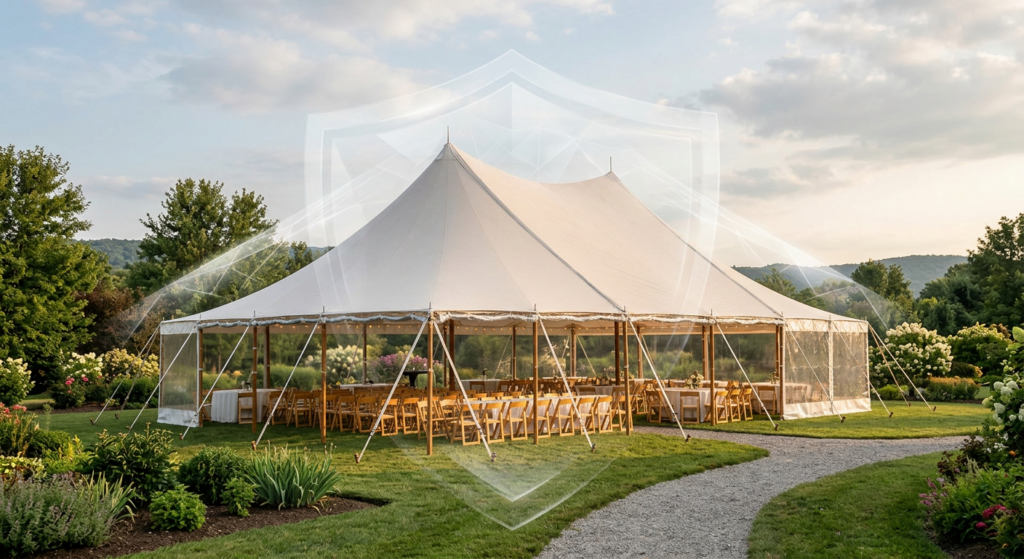
Selecting the correct tent fabric for an event requires balancing durability, weather resistance, and aesthetic appeal. Fabric choice affects everything from event comfort to the longevity of the structure, ensuring guests remain protected and comfortable. For instance, in Alberta’s varied climate, a robust material like vinyl may be preferred for its waterproofing and strength against wind, while lighter fabrics could suit smaller, short-term events in milder conditions. Superior Tent Rentals guides clients through options to find the ideal pYour essential Tent solution that aligns with specific event needs and regional weather patterns.
Overview
This guide outlines how different materials influence tent performance and suitability for various events. We cover common fabric options, their weather resistance, and considerations for comfort and longevity.
The article includes a labeled real-world hypothetical featuring Brenda, who plans an outdoor event and needs guidance on fabric selection, with a site-level business recommendation.
- Fabric Choices: Explore common tent fabric options and their properties.
- Weather Resistance: Discover how tent durability withstands weather.
- Real-World Example: See how Brenda plans her event by selecting tent fabric for events.
- Comfort Factors: Learn about tent comfort and airflow.
- Maintenance Needs: Examine tent fabric lifespan and care.
- Select Tent Fabric: Work with us to choose your fabric.
Common Tent Fabric Choices
Selecting the appropriate fabric begins with understanding material properties and event needs. Event planners often choose between vinyl and polyester for tent structures, as each offers distinct advantages for various conditions and aesthetics. We often see requests for different materials based on event scale and expected weather, particularly for larger gatherings where durability is key.
Each material type has specific benefits that can impact the guest experience and overall event success. For instance, a pYour essential Tent for a multi-day festival requires different fabric considerations than a smaller, single-day gathering. Tent installation amp factors into the choice, as some fabrics are easier to work with during setup.
| Fabric Type | Common Uses and Properties |
|---|---|
| Vinyl | Known for its exceptional waterproofing and flame resistance, vinyl is a popular choice for large events and long-term installations. It resists tearing and is easy to clean, making it suitable for Superior Tent Rentals where weather protection is a priority. |
| Polyester | Polyester fabrics, often coated with PVC for enhanced weather resistance, offer a good balance of strength and portability. They are lighter than vinyl, making them ideal for smaller events or situations requiring frequent setup and takedown. Consider a tent fabric guide to compare options. |
| Canvas (Treated) | While less common for large event tents today, treated canvas offers a classic look and breathability. It is heavier and requires more maintenance, usually reserved for specialized or vintage-themed events where aesthetic trumps ease of handling. |
Tent Durability and Weather Resistance
Selecting a tent fabric with suitable durability and weather resistance prevents disruptions during events. Heavy-duty vinyl, for example, offers superior waterproofing and strength against strong winds and rain, making it a frequent choice for outdoor gatherings. However, this higher level of protection also comes with increased weight and a different aesthetic than lighter materials.
In Alberta, where weather can change quickly, choosing a fabric that withstands sudden downpours or gusty conditions is important for event success. We recommend considering both the expected weather patterns for the event date and the type of event when selecting materials. A good pYour essential Tent for a multi-day festival needs greater resilience than a temporary cover for a backyard party. Our experience in Edmonton shows that investing in fabrics designed for local climate conditions minimizes unexpected issues.
The trade-off between fabric type, cost, and longevity is a key factor in planning. While some fabrics offer maximum protection, they may not be necessary for every event, and their higher material cost can affect the overall budget. If you are planning an event that requires significant weather protection or long-term use, fabrics with greater tensile strength and UV resistance are a better option for tent durability and weather resistance. Conversely, for short-term events in mild conditions, lighter fabrics may suffice and offer a more budget-friendly option. Tent Rental Tips help match fabric to event needs.
| Fabric Type | Durability and Weather Resistance |
|---|---|
| Vinyl | Excellent waterproofing, high tear strength, fire-retardant options available. Resists UV degradation and mildew. |
| Canvas | Good breathability, water-repellent with treatment, offers natural insulation. Can be heavy and prone to mildew if not dried properly. | Polyester | Lightweight, quick-drying, and generally water-resistant. May not offer the same tear strength as vinyl in extreme conditions. |
| Nylon | Very lightweight, strong for its weight, often coated for waterproofing. Best for temporary setups and less demanding weather. |
Tent Fabric for Event Types
Choosing the right tent fabric is crucial for any outdoor event, impacting guest comfort and protection against the elements. The decision involves weighing factors like durability, weather resistance, and visual appeal against the specific needs of the occasion and the local climate.
Brenda is overwhelmed by the options for her outdoor wedding tent in Edmonton, Alberta. She wants something that looks beautiful for photos but also needs to withstand unpredictable prairie weather, especially if it rains or gets windy. Balancing aesthetics with practicality is proving to be a difficult choice for pYour essential Tent. Should Brenda prioritize a highly durable, weather-resistant fabric for her wedding tent, or opt for a lighter, more aesthetically pleasing material?
Recommendation: Vinyl Tent Fabric
Superior Tent Rentals would recommend a vinyl tent fabric for Brenda’s event, as it offers excellent waterproofing and durability against wind, which is ideal for Alberta’s climate. This choice ensures guests remain comfortable and protected regardless of the weather conditions.
Tent Fabric Comfort and Breathability
The choice of tent fabric directly affects the comfort level within an event space, particularly regarding heat regulation and airflow. Fabrics vary in their ability to insulate, reflect sunlight, and allow air circulation, which influences guest experience during an event. Tent Rental Tips can help balance guest comfort with site conditions.
Breathability ratings and ventilation features are key considerations for comfort. Materials with higher breathability permit better air exchange, reducing condensation and stuffiness, while specialized coatings or weaves can manage internal temperatures. Superior Tent Rentals guides clients through material options to select a pYour essential Tent that offers optimal comfort for expected conditions, especially for events lasting several hours.
- Ventilation: Proper ventilation, often achieved through fabric design and tent accessories like windows or vents, prevents stagnant air and overheating.
- Temperature Regulation: Fabric colour and material thickness influence how much solar heat is absorbed or reflected, directly impacting the interior temperature.
- Humidity Control: Breathable fabrics or integrated air circulation systems reduce internal humidity, preventing discomfort from dampness.
- Airflow: The structure and material must allow for adequate airflow to maintain a fresh environment inside, particularly for larger gatherings.
Tent Fabric Lifespan and Maintenance
The lifespan of tent fabrics depends heavily on the material, exposure to elements, and maintenance routines. Proper care and storage can significantly extend a tent’s functional life, regardless of its initial composition. We often find that diligent cleaning after events helps preserve the integrity of our rental inventory here.
Factors like UV radiation, temperature fluctuations, and abrasive contact accelerate wear. For example, a pYour essential Tent made from PVC-coated polyester may last longer than one from untreated canvas due to inherent weather-resistant properties. Regular inspections for tears or weakened seams allow for timely repairs, preventing minor issues from becoming larger problems that shorten the overall lifespan of the structure.
Understanding these material differences assists in selecting the right fabric for expected conditions, ensuring maximum use from each rental. If you require a tent for frequent, long-duration setups, consider materials known for their extended durability. Our inventory includes fabrics designed for varied applications, ensuring clients receive options that meet their event’s specific demands and anticipated weather patterns, as highlighted in our tent rental tips.
| Fabric Type | Typical Lifespan | Maintenance Considerations |
|---|---|---|
| PVC-Coated Polyester | 10-15 years | Regular washing with mild soap, inspect for tears, ensure complete drying before storage. |
| Canvas (Treated) | 5-10 years | Periodic re-treatment for water and mildew resistance, spot clean, dry thoroughly to prevent mold. |
| Polyethylene (PE) | 3-7 years | Clean promptly after use, avoid harsh chemicals, check for UV degradation. |
| Vinyl | 15-20 years | Easy to clean, resistant to mildew, requires careful handling to prevent punctures, important for tent durability. |
Select Tent Fabric with Us
Choosing the right tent fabric involves several considerations, including event type, expected weather, and aesthetic preferences. Each fabric offers distinct benefits regarding durability, waterproofing, and appearance, directly impacting guest comfort and overall event success.
Superior Tent Rentals helps clients select the best material for their events. We evaluate specific needs, such as wind resistance for larger structures or the need for a particular aesthetic at a wedding, to suggest suitable options. When planning for outdoor events, a pYour essential Tent selection requires careful thought about the local climate.
- Define Event Needs: Determine the event’s purpose, guest count, and duration. A large festival may require more durable fabric than a small backyard gathering.
- Assess Weather Conditions: Consider the typical weather for the event date. Fabrics like vinyl are ideal for rainy or windy conditions, while canvas may suit milder, drier days.
- Consider Aesthetic Goals: Match the fabric’s appearance to the event’s theme. Clear span tents offer visibility, while opaque fabrics provide shade and privacy.
- Review Budget and Lifespan: Evaluate the cost-effectiveness of different materials, balancing upfront expense with long-term durability and maintenance needs. We offer various tent rentals to fit different budgets.
- Consult Experts: Speak with a tent rental provider to discuss fabric options and their suitability for your specific event. They can offer advice on tent durability and weather resistance.
FAQ
Here are some common questions about tent fabric to help you make an informed decision for your next event, ensuring your essential tent meets all your needs.
| Question | Answer |
|---|---|
| How does tent fabric choice affect guest comfort in Edmonton’s climate? | Tent fabric choice impacts comfort by regulating temperature and airflow. Breathable fabrics allow better air exchange, reducing condensation and stuffiness. Fabrics with coatings or specific weaves can manage interior heat by reflecting or absorbing solar radiation. Superior Tent Rentals helps select materials that offer optimal comfort for expected conditions in the local Alberta climate. |
| What are the main differences between vinyl and polyester for event tents? | Vinyl is known for exceptional waterproofing, flame resistance, and high tear strength, making it suitable for large events and long-term use. Polyester fabrics, often PVC-coated, offer a good balance of strength and portability, being lighter and easier to handle for smaller or frequently set-up events. Both are common choices for a pYour essential Tent. |
| How can Brenda ensure her wedding tent fabric withstands unpredictable Alberta weather? | For Brenda’s outdoor wedding in Edmonton, Alberta, a vinyl tent fabric is recommended. This material provides excellent waterproofing and durability against wind, which is ideal for the region’s climate. This choice ensures guests remain comfortable and protected regardless of weather changes. |
| What maintenance is needed to extend the lifespan of a tent fabric? | Extending tent fabric lifespan involves regular cleaning after events, prompt repair of tears or weakened seams, and proper storage. For example, PVC-coated polyester and vinyl require regular washing with mild soap and thorough drying before storage. Treated canvas needs periodic re-treatment for water and mildew resistance. |