
Answer
Oil sands tents are specialized temporary structures designed to withstand the severe weather conditions and operational demands of Alberta’s oil sands region. These heavy-duty shelters provide essential space for workshops, storage, equipment maintenance, and personnel, allowing continuous operations in remote and harsh environments. Superior Tent Rentals offers various structures to meet the stringent safety and durability requirements of industrial applications, providing reliable enclosures for project sites.
Overview
Operating in Alberta’s oil sands region presents unique challenges, requiring specialized temporary structures to support ongoing work. This guide addresses how purpose-built shelters can meet industrial demands, from accommodating personnel to safeguarding equipment in harsh conditions. This article also includes a labeled real-world hypothetical featuring Marcus, illustrating key decision points for site infrastructure.
- Essential Features: Discover the key attributes that make industrial shelters suitable for demanding environments, such as heavy-duty materials and structural integrity.
- Choosing Right: Explore factors that guide the selection process, helping determine the appropriate shelter type for specific operational needs.
- Real-World Example: Marcus considered options for a project site, weighing the benefits of a tent rental versus purchase for long-term use.
- Setting Up: Examine the critical steps involved in installing temporary shelters, focusing on site preparation and safety protocols.
- Successful Deployment: Review a scenario detailing the effective use of these structures in an industrial setting, highlighting project outcomes.
- Why Choose: Learn about the advantages of partnering with Superior Tent Rentals for industrial shelter solutions.
Essential Features of Oil Sands Tents
Structures in the oil sands region require specific features to withstand the harsh environment and support continuous operations. These tents must endure extreme weather, provide stable shelter, and allow for efficient work processes. Superior Tent Rentals focuses on delivering temporary shelters that meet these rigorous demands.
Durability and adaptability stand out as key considerations for these specialized structures. We frequently advise clients to consider factors like material strength and ease of installation, especially for projects with changing site conditions or seasonal demands. For instance, oil field tents often require robust framing to resist high winds and heavy snow loads common in northern Alberta.
| Feature | Description |
|---|---|
| Heavy-Duty Fabric | Industrial-grade PVC or similar materials offer superior resistance to tears, UV exposure, and extreme temperatures. These fabrics also help in maintaining internal conditions for personnel and equipment. |
| High Wind Ratings | Structures must withstand sustained wind speeds common in open, exposed sites. This requires reinforced frames and secure anchoring systems for stability. |
| Snow Load Capacity | Designs account for significant snow accumulation, preventing collapse and ensuring safety. Steep roof pitches or specialized frames may be incorporated. |
| Modular Design | Segments allow for easy expansion, reduction, or relocation of the structure as project needs change. This adaptability makes them ideal for phased developments. |
| Insulation Options | Effective insulation maintains interior temperatures, reducing heating costs and improving comfort in cold conditions. This is particularly important for Alberta oil gas operations. |
| Integrated Utilities | Provisions for electrical, HVAC, and communication systems ensure full functionality. Proper planning for utility access prevents operational disruptions. |
Choosing the Right Oil Sands Tent
Selecting the correct temporary structure for industrial applications depends on specific project requirements, environmental factors, and operational duration. Each project presents unique needs, from workshops to personnel shelters, making tent selection a tailored process. We consider the anticipated lifespan of the structure and its intended use when making recommendations.
Project planners evaluate factors such as the required footprint, local weather conditions in Alberta, and accessibility for equipment and personnel. For instance, a long-term maintenance facility needs different specifications than a temporary storage unit. Superior Tent Rentals offers various structures, including industrial tent rentals, to match diverse site demands.
We see many operations here prioritizing durability and quick deployment for their temporary structures. If you need a rapidly deployable option that can withstand harsh weather, clearspan structures are often a good fit for operations in northern Alberta.
| Project Need | Recommended Tent Type | Key Benefit |
|---|---|---|
| Long-term workshop | Heavy-duty clearspan | High wind/snow load capacity |
| Temporary storage | Fabric tension structures | Quick installation, scalable |
| Personnel shelter | Insulated membrane structures | Climate control, comfort |
| Equipment maintenance | Large clearspan structures | Spacious, column-free interior |
| Emergency response | Rapid deployment shelters | Fast setup for urgent needs |
Oil Sands Tent Rental vs. Purchase
Industrial projects in remote or harsh environments often require specialized temporary structures. Deciding on the right type of shelter is crucial for maintaining operational continuity and safety.
Marcus is overseeing a critical phase of an oil sands site expansion near Edmonton, Alberta. He needs to secure essential temporary facilities but is weighing the immediate need for a robust workshop tent against the logistical advantages of modular storage units. He wonders, should Marcus prioritize a heavy-duty workshop tent for equipment maintenance or a modular storage unit for materials?
Recommendation: Heavy-Duty Workshop Tent
Superior Tent Rentals would recommend a heavy-duty workshop tent when immediate, on-site equipment repair and maintenance are paramount. These structures are engineered to withstand the demanding conditions of the oil sands region, ensuring project uptime even during severe weather.
Setting Up Your Temporary Oil Sands Shelter
Deploying temporary shelters for oil sands operations requires careful planning and execution to ensure safety and functionality. Each phase, from site preparation to final inspection, contributes to a stable and secure working environment. Superior Tent Rentals emphasizes precision in every step, ensuring structures meet the demands of industrial settings.
Proper installation ensures the shelter withstands harsh weather conditions and provides a reliable space for personnel and equipment. We recommend a detailed site assessment before any deployment to account for ground conditions and logistical challenges. This assessment helps prevent delays and ensures the correct foundation is prepared for the structure.
- Site Assessment and Preparation: Evaluate the chosen location for ground stability, drainage, and accessibility. Clear any debris, level the ground, and install necessary anchors or foundations to secure the structure.
- Foundation Installation: Depending on the tent type and expected duration, install appropriate foundations such as concrete blocks, ground screws, or a raised platform. This step provides a stable base for the entire shelter.
- Frame Assembly: Erect the structural framework of the shelter according to manufacturer specifications. This typically involves connecting steel or aluminum beams and trusses. Proper assembly ensures the structural integrity of the temporary building.
- Cover Installation: Attach the fabric cover to the assembled frame. This often involves using specialized tools and techniques to ensure a tight, weather-resistant fit. Proper tensioning prevents flapping and extends the lifespan of the cover.
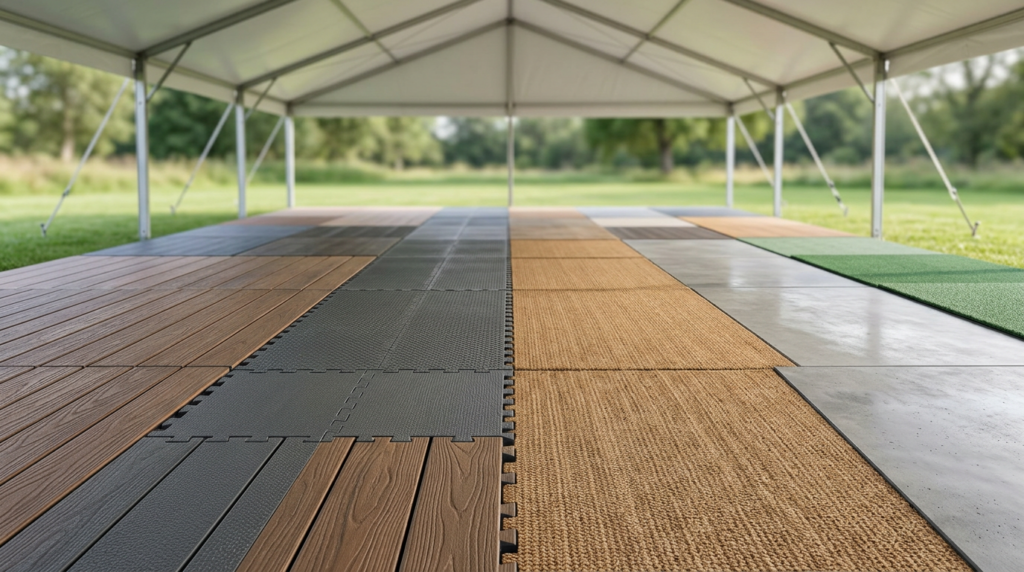
- Interior Fit-Out: Install interior components such as flooring, lighting, heating, ventilation, and any specialized equipment required for the facility. This phase transforms the basic structure into a functional workspace. For example, alberta oil gas camp heaters are often installed to maintain comfortable indoor temperatures.
- Safety Checks and Final Inspection: Conduct thorough safety inspections of the entire structure and all installed components. Verify that all exits are clear, fire safety equipment is in place, and the structure meets all operational and safety standards. This final check is important for any rapid deployment shelters.
Successful Oil Sands Tent Deployment Case Study
Deploying specialized structures for industrial operations demands precise planning and execution, especially within the challenging conditions of the oil sands. A recent project involved installing a large temporary shelter to support expanded maintenance activities. The primary goal was to provide a protected, temperature-controlled environment for equipment repairs, reducing downtime during severe winter months.
The project required a clearspan tent measuring 15 meters wide by 30 meters long, providing 450 square meters of sheltered space. This structure facilitated the concurrent repair of three heavy-duty vehicles, a 40% increase in on-site capacity compared to previous open-air operations. Superior Tent Rentals completed the installation in four days, ensuring minimal disruption to ongoing site work.
| Aspect | Outcome and Benefit |
|---|---|
| Installation Time | Four days, minimizing operational pauses. |
| Sheltered Area | 450 square meters, allowing multiple concurrent repairs. |
| Operational Efficiency | 40% increase in vehicle maintenance capacity. |
| Weather Protection | Maintained internal temperature at 18°C during external -30°C conditions. Alberta oil gas camp heaters helped achieve this. |
| Project Flexibility | The temporary setup allowed for rapid relocation or expansion as site needs changed, aligning with broader temporary tent structures use. |
We see clients benefit significantly from these strategic deployments, particularly when facing tight project schedules and severe weather. The use of robust structures, like the oil sands tents, directly contributes to maintaining productivity and worker safety in demanding environments. This success highlights the value of adaptable industrial tent rentals for critical infrastructure projects.
Why Choose Superior Tent Rentals
Selecting the right partner for industrial temporary structures in the oil sands region is important for project continuity and safety. Superior Tent Rentals provides specialized equipment and comprehensive services designed for the demanding conditions of Northern Alberta. We prioritize quick deployment and durability, ensuring minimal disruption to operations.
We understand the specific requirements for projects here, offering a range of shelters that meet industry standards for extreme weather and operational needs. Our experience in the region means we can provide reliable solutions for various applications, from equipment storage to personnel accommodation. Superior Tent Rentals handles everything from initial assessment to installation and removal, making the process straightforward for clients. Superior Tent Rentals has a track record of successful installations in challenging environments.
| Best for Job | Option |
|---|---|
| Remote workshops | Clearspan structures with insulation and integrated heating. |
| Equipment storage | Heavy-duty fabric shelters with reinforced frames. |
| Personnel accommodation | Modular tent systems offering climate control. |
| Rapid deployment | Frame tents designed for quick setup and relocation. |
| Custom configurations | Tailored solutions for unique site layouts and operational demands. Request Quote 8211 for custom projects. |
FAQ
To help you make informed decisions about temporary structures, we’ve compiled answers to some common questions about oil sands tents.
| Question | Answer |
|---|---|
| What features are most important for oil sands tents in Alberta? | Oil sands tents require heavy-duty fabric, high wind ratings, and snow load capacity to withstand severe weather. They should also offer modular design for adaptability and optional insulation for temperature control. Integrated utility provisions are also key for full functionality. |
| How does Marcus decide between a workshop tent and a storage unit? | Marcus would choose a heavy-duty workshop tent if immediate, on-site equipment repair and maintenance are the top priorities. These structures are engineered for harsh conditions, ensuring project uptime. A modular storage unit is better suited for materials. |
| What are the main steps for setting up a temporary shelter at an oil sands site? | Setting up involves a detailed site assessment and preparation to ensure ground stability and accessibility. This is followed by foundation installation, frame assembly, cover installation, and interior fit-out for utilities and comfort. A final safety check and inspection are also required. |
| When is renting an oil sands tent a better option than purchasing one? | Renting is often preferable for projects with uncertain long-term needs or when rapid deployment is necessary for urgent situations. It allows for flexibility to adapt to changing site requirements without the commitment of a purchase. |