
Answer
Pole tents rely on central poles and tension from side ropes, creating a classic peaked look ideal for grass or soft surfaces, while frame tents use a self-supporting metal structure that allows for open interiors and setup on any ground type, including pavement. Frame tents typically offer more usable interior space since there are no internal poles, making them adaptable for various layouts and staging needs. Superior Tent Rentals recommends pole tents for events prioritizing aesthetics and open-air flow on lawns, and frame tents for maximum flexibility in setup location and interior design.
Overview
This article compares the fundamental design and application differences between pole and frame tents. We discuss how each tent type suits various events, ground conditions, and aesthetic preferences. The discussion helps in choosing the appropriate shelter for gatherings of any size or style.
The article includes a labeled real-world hypothetical featuring Chloe, who is planning an outdoor event, to demonstrate practical considerations.
- Pole Tent Construction: Explore how pole tents are built and their distinct advantages.
- Frame Tent Design: See the structural components and benefits of frame tents.
- Key Differences: Review the distinctions between pole and frame tent types.
- Real-World Example: Consider factors for choosing event tents.
- When to Use Pole: Determine situations best suited for pole tent rentals.
- When to Use Frame: Identify ideal scenarios for frame tent options.
Pole Tent Construction and Benefits
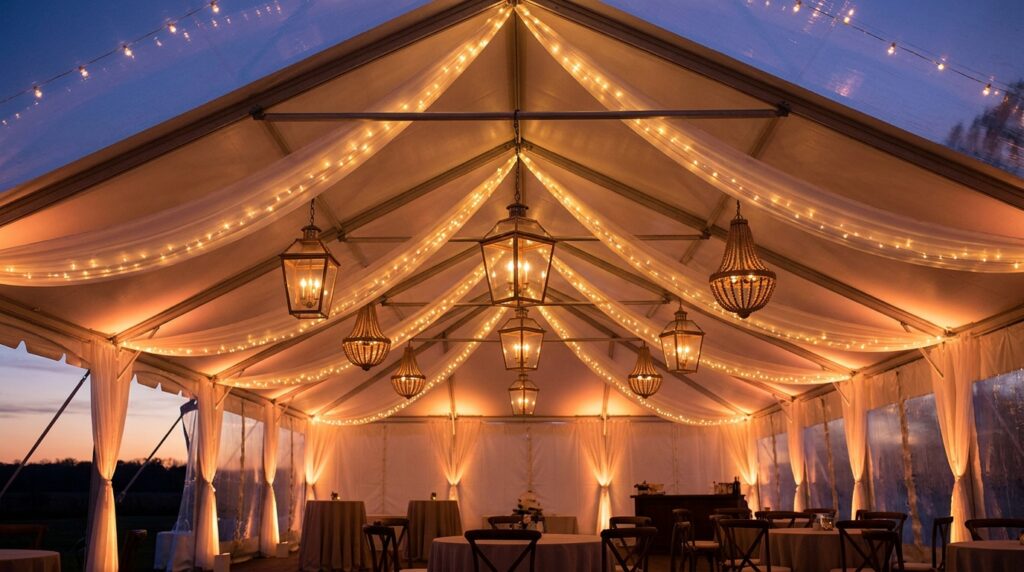
Pole tents feature one or more central poles that support the fabric roof, creating a distinctive peaked aesthetic. Tension from ropes and stakes driven into the ground anchors the tent, giving it a classic silhouette. This construction method relies heavily on soft ground for proper installation, as stakes must securely hold the tent against wind and other elements.
These tents often provide a spacious interior with high ceilings, though the central poles do create some obstructions. Their elegant design makes them a popular choice for weddings and other formal outdoor gatherings where visual appeal is a priority. Superior Tent Rentals frequently recommends pole tents for events on grassy fields or lawns, where the staking method is most effective for a secure setup.
| Benefit Category | Description and Use Case |
|---|---|
| Aesthetic Appeal | The signature peaked roof and graceful lines offer a traditional and elegant look, enhancing event ambiance. This style works well for events where a classic tent appearance is desired. |
| Open-Air Feel | Without a rigid frame, the sides of a pole tent can often be fully opened or partially rolled up, allowing for greater airflow and an open-air atmosphere when weather permits. |
| Natural Lighting | The fabric construction often allows for soft, diffused natural light inside, creating a pleasant daytime environment for guests. |
| Cost-Effectiveness | For certain sizes and configurations, pole tents can be a more economical option compared to some frame tent setups. When budgeting for an event tent rental, considering a pole tent may help. |
| Quick Setup (for smaller sizes) | Smaller pole tents can be set up relatively quickly on suitable ground, making them efficient for certain events. Larger tents require more time due to extensive staking and tensioning. You can find more tent rental tips on our blog. |
Frame Tent Design and Advantages
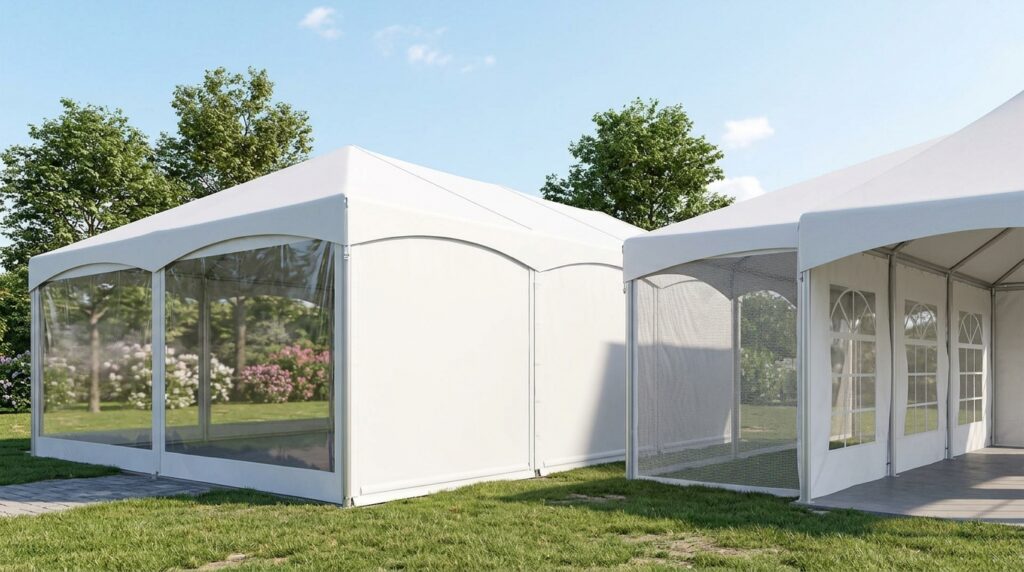
Frame tents feature a self-supporting metal structure that removes the need for interior poles, providing an open space underneath. This design allows for maximum flexibility in arranging seating, stages, or other event elements without obstructions. The clearspan design also helps with placement on diverse surfaces, including asphalt or concrete, which pole tents cannot accommodate.
The construction of a frame tent relies on a robust aluminum or steel frame that supports the fabric top. Unlike pole tents, the tent fabric is secured directly to the frame, creating a rigid structure. Superior Tent Rentals offers various frame tent sizes, providing options for everything from small gatherings to large corporate events in Alberta. Our experience confirms these structures excel when clear interior space is a priority for our clients.
Frame tents also offer advantages in specific weather conditions. Their sturdy frame can withstand higher winds compared to pole tents, which depend more on ground tension. This stability makes them suitable for longer-term installations or events where unpredictable weather might be a factor. For more details on safe installations, you can review information on frame tent safety.
| Feature | Benefit |
|---|---|
| Open Interior | No central poles obstruct views or floor plans, allowing for flexible event layouts. |
| Versatile Setup | Can be installed on various surfaces, including grass, pavement, or decks, expanding event location choices. |
| Weather Resistance | The rigid frame provides better stability against wind and rain compared to tension-based tents. |
| Sidewall Options | Easily attach and customize sidewalls for climate control, privacy, or aesthetic appeal. |
| Temporary Tent Structures | Ideal for long-term rentals due to their durability and adaptable design. |
Pole Tent vs Frame Tent Differences
The core difference between these two tent types lies in their structural support, which impacts their setup, appearance, and suitability for various events. Pole tents depend on internal poles and tension from external guy lines to stand, while frame tents use a rigid metal framework that supports the canopy independently.
Pole Tent vs Frame Tent construction methods lead to distinct aesthetic and practical outcomes for event planners. Pole tents offer a classic, sculpted look with high peaks, often desired for traditional or elegant events. Conversely, frame tents provide an unobstructed interior space due to their external support structure, offering greater flexibility for seating arrangements and staging.
For outdoor events here, Superior Tent Rentals finds that site conditions often determine the best choice. For instance, pole tents require stakes driven into soft ground for tension, making them unsuitable for paved surfaces. Frame tents, however, can be ballasted with weights, allowing placement on asphalt or concrete without ground penetration. Choosing Tent for Your Event Needs may depend on the ground type and event layout.
| Feature | Pole Tent Characteristics | Frame Tent Characteristics |
|---|---|---|
| Structural Support | Central poles, side poles, and tension from ropes/stakes. | Self-supporting metal frame. |
| Interior Space | Internal poles may obstruct views and floor plans. | Clear span interior with no internal poles. |
| Aesthetic | High peaks and sculpted fabric, traditional appearance. | Clean lines, boxier appearance, modern feel. |
| Ground Requirements | Requires soft ground for staking. | Can be set up on any surface with proper ballasting. |
| Setup Complexity | Requires more open space around the perimeter for ropes. | Less perimeter space needed for installation. |
| Adaptability | Less flexible for interior layouts due to poles. | Highly adaptable for various layouts and add-ons. Frame Tent Design and Advantages offers details. |
Choosing Tent for Your Event Needs
Choosing the right tent for an event involves balancing aesthetic preferences with practical setup requirements. Different tent styles offer distinct advantages regarding interior space, installation flexibility, and visual appeal, impacting the overall guest experience and logistical execution.
Chloe is planning an outdoor wedding reception and needs to decide between a pole tent and a frame tent. She loves the traditional peaked look of a pole tent, which would be perfect for the grassy venue, but the reception area also includes a paved patio where some guests will mingle, making a frame tent’s adaptability appealing. She is weighing the aesthetic of a pole tent against the practical setup advantages of a frame tent for the mixed-surface venue. Should Chloe opt for a pole tent for its classic look or a frame tent for its setup versatility on paved surfaces for her client’s wedding in Edmonton?
Recommendation: Frame Tent Rental
Superior Tent Rentals would recommend a frame tent when flexibility on various ground surfaces is a priority, as its self-supporting structure can be installed on pavement or grass without compromising usable interior space. This choice allows for a more adaptable event layout, accommodating different zones for dining, dancing, and mingling seamlessly.
When to Rent a Pole Tent
Pole tents offer a classic aesthetic and are a top choice for events held on soft ground like grass or fields. Their design, which relies on central poles and perimeter tension, naturally creates elegant peaks and an open, airy atmosphere suitable for many outdoor gatherings. We often see these tents selected for large-scale outdoor events where the natural surroundings enhance the venue.
These tents generally accommodate larger guest counts, with options for events ranging from 50 to over 500 attendees depending on the tent size and layout. For events that require a spacious, unobstructed interior and a traditional tent appearance, pole tents are ideal. When planning an event, consider how the tent’s structure will affect guest movement and overall flow.
Superior Tent Rentals recommends a pole tent when you desire a timeless look and have ample clear ground for staking. We find that their inherent design provides excellent airflow for summer events, which is a significant benefit in this climate. For outdoor weddings or large garden parties, the visual appeal of a pole tent often sets the perfect tone, making them a popular option for many local clients seeking tent rental tips.
| Event Type | Why a Pole Tent Works |
|---|---|
| Weddings | The peaked roof and elegant lines create a romantic backdrop. Ideal for ceremonies and receptions on lawns. |
| Large Festivals | Their expansive interiors accommodate hundreds, providing clear space for vendors and attendees. Suitable for multi-day events. |
| Garden Parties | Blends well with natural surroundings, offering an open feel. Perfect for casual or semi-formal outdoor gatherings. |
| Community Events | Provides shelter and a central gathering point for local celebrations or picnics. Great for events needing a traditional tent appearance. |
When to Rent a Frame Tent
Frame tents are a practical choice when event flexibility and interior space are top priorities. Their self-supporting structure allows for setup on diverse surfaces, including asphalt or concrete, unlike pole tents that require staking into soft ground. This makes them ideal for venues with limited green space or for events needing a clear interior span without obstructions.
When selecting a tent, consider the specific event needs and location. Superior Tent Rentals frequently installs frame tents for events requiring precise interior layouts, such as corporate gatherings or weddings where seating arrangements and dance floors are important. Our experience shows that these tents provide the versatility many clients seek for complex event designs.
Choosing a frame tent is beneficial for specific situations. This type of tent offers superior interior space and adaptability for various event types. Consider these specific applications:
| Best for | Reason |
|---|---|
| Events on hard surfaces | Frame tents do not require center poles or side ropes for support, making them suitable for patios, parking lots, or concrete pads. |
| Weddings or formal events | The open interior allows for flexible seating, staging, and decor without poles disrupting sightlines or traffic flow. |
| Corporate functions | They provide an unobstructed space for presentations, booths, and branding, offering a professional setting. |
| Long-term installations | Their sturdy structure holds up well for extended periods, such as temporary tent structures or seasonal events. |
| Venues with space constraints | If an event site has limited room for ropes or guy lines, a frame tent fits within a smaller footprint. |
| Events needing HVAC or extensive lighting | The frame provides secure attachment points for additional equipment, enhancing guest comfort and ambiance for event tent rental. |
FAQ
Still weighing your options between a pole tent vs frame tent for your upcoming event? This section addresses common questions to help you understand the key differences and make the best choice for your specific needs.
| Question | Answer |
|---|---|
| When is a pole tent the better choice for an event in Edmonton? | Pole tents are ideal for events on soft ground like grass or fields in the Edmonton area. Their classic peaked look offers an elegant aesthetic, and their design provides excellent airflow for summer events. They are a good option when a timeless look is desired and there is ample clear ground for staking. |
| How does the interior space differ between pole and frame tents? | Frame tents offer a clear span interior with no central poles, allowing for maximum flexibility in event layouts, staging, and seating arrangements. Pole tents, while offering high ceilings, have central poles that can obstruct views and floor plans. |
| Can frame tents be set up on surfaces other than grass? | Yes, frame tents can be set up on various surfaces, including asphalt or concrete. Their self-supporting metal structure means they do not require staking into the ground and can be secured with weights, making them versatile for different venue types. |
| Which tent type is more suitable for an event on a paved patio in Alberta? | A frame tent is more suitable for an event on a paved patio in Alberta. Its structure does not rely on staking into the ground, and it can be ballasted with weights, allowing for installation on hard surfaces where a pole tent cannot be placed. |