
Answer
Modular construction involves fabricating building sections off-site in a controlled factory environment, then transporting and assembling them on the final location. This method often reduces project timelines by 30-50% compared to traditional building, as site preparation and foundation work can happen concurrently with module production. For projects in Edmonton, Alberta, Superior Tent Rentals works with clients to integrate temporary infrastructure, such as weather-protected workspaces or storage, that complements these rapid build schedules.
Overview
This article explores how modular building methods compare to traditional construction, focusing on their distinct advantages and applications. We examine factors like project timelines, cost efficiencies, and material sourcing that influence project success. The content also includes a labeled real-world hypothetical featuring Anya, which provides a practical look at project considerations for those evaluating different building approaches.
- Project Selection: We review specific types of Alberta projects that benefit most from modular approaches.
- Method Comparisons: Explore key differences between modular and traditional building processes.
- Real-World Example: See when to select modular for your project through a practical scenario.
- Budget and Schedule: Discover the cost and timeline benefits that modular construction offers.
- Site Support: Learn how Superior Tent Rentals enhances site infrastructure for modular builds.
- Industry Outlook: Look at the future of construction and modular innovations.
Alberta Projects Choosing Modular Construction
Several factors influence the selection of off-site building methods for projects in Alberta, driven by efficiency and specific project requirements. Builders often prioritize these methods for their ability to meet tight schedules and maintain consistent quality, especially in remote locations or during challenging weather conditions. This approach also helps manage construction costs by reducing on-site labour needs and material waste.
Superior Tent Rentals observes that projects with stringent timelines or those in distant areas particularly benefit from prefabricated solutions. For example, our temporary infrastructure, such as weather-protected workspaces, frequently supports sites where rapid deployment of modular construction components is critical to project success. We find that incorporating temporary structures early helps maintain productivity and schedule adherence for these builds.
- Project Timeline Requirements: Accelerated schedules often favor modular building due to simultaneous off-site fabrication and on-site preparation. This dual process can significantly cut overall project durations, making it attractive for time-sensitive developments.
- Site Accessibility and Conditions: Remote locations or sites with difficult access benefit from pre-built modules, as less extensive on-site work is required. Harsh weather, common in Alberta, also makes factory-controlled construction appealing, ensuring continuous progress regardless of external conditions. For temporary shelter needs, consider tent installation services.
- Quality Control and Consistency: Factory environments allow for stricter quality checks and standardized processes, leading to fewer defects and higher consistency in finished units. This is particularly important for specialized structures or repeatable designs.
- Cost Predictability: The controlled nature of modular construction often provides greater cost certainty by minimizing unexpected delays and cost overruns associated with traditional methods. Clients seeking budget stability may choose this option. Consider requesting a quote for specific project needs.
- Environmental Considerations: Reduced material waste and improved energy efficiency during the construction phase contribute to a smaller environmental footprint. This aligns with increasing demands for sustainable building practices in the region.
Key Differences Modular vs Traditional Builds Alberta
Project timelines vary significantly between construction methods, with off-site fabrication often accelerating delivery. Traditional building relies on sequential on-site work, while modular construction permits parallel processes, shortening overall schedules. Superior Tent Rentals supports both approaches by providing temporary structures for site offices or material storage, ensuring projects stay on track regardless of the chosen method.
The build environment also presents a key distinction. Conventional construction exposes materials and workers to weather conditions, which can cause delays and quality control challenges. Factory-built modules benefit from controlled indoor environments, leading to consistent quality and reduced material waste. We often see clients in Alberta benefit from this consistency, especially during harsh winter months, which can impact traditional build schedules.
| Feature | Modular Construction | Traditional Construction |
|---|---|---|
| Build Location | Factory-controlled environment | On-site, exposed to elements |
| Timeline | Faster due to parallel processes; often 30-50% quicker | Longer due to sequential on-site work |
| Quality Control | Consistent, factory-inspected standards | Variable, dependent on site conditions and supervision |
| Waste Reduction | Minimized material waste through optimized factory processes | Higher potential for waste on-site |
| Flexibility | Modules can be relocated or repurposed; adaptable designs | Limited flexibility once built; permanent structures |
| Cost Predictability | More predictable due to controlled factory production | Can be subject to weather delays and on-site issues |
| Site Disruption | Reduced on-site noise, traffic, and debris | Higher on-site activity and disruption |
| Inspection Process | Factory inspections plus final on-site assembly checks | Sequential inspections at various on-site stages |
| Temporary Infrastructure Needs | May require temporary facilities for staging and assembly like tent rentals | Requires continuous on-site facilities for longer durations, including tent installation Alberta |
When to Choose Modular for Your Alberta Project
When project timelines are critical, choosing between building on-site or opting for off-site fabrication presents a significant strategic dilemma. The urgency to deploy facilities often clashes with the complexities of traditional construction schedules.
Anya is managing a new development in Edmonton and needs to rapidly deploy temporary workspaces and storage. She’s weighing the benefits of off-site modular construction against the familiar process of traditional on-site building, especially considering the accelerated timelines modular offers. Anya wonders if the speed of modular is worth the logistical planning involved. Should Anya prioritize off-site modular construction for her Edmonton project to meet aggressive deadlines, or stick with traditional methods?
Recommendation: Modular Construction
Superior Tent Rentals would recommend modular construction when rapid deployment is a priority for your Edmonton project. This method allows for concurrent site preparation and module fabrication, potentially shaving significant time off your overall schedule. For projects requiring quick setup, particularly for temporary site offices or storage, this approach reduces overall disruption and speeds up operational readiness. Request Quote for your project.
Cost and Timeline Advantages of Modular Alberta
Modular construction offers notable benefits in both project expenses and completion schedules, which is especially relevant for projects in Edmonton, Alberta. Off-site fabrication allows for parallel processes, where building components are manufactured in a factory while site preparation occurs simultaneously. This approach can lead to a reduction in overall project duration and costs. Superior Tent Rentals supports these rapid timelines by providing temporary shelters and infrastructure that facilitate efficient on-site assembly for modular builds.
Project managers often find that predictable factory environments minimize weather delays and unexpected site issues, leading to more accurate budgeting. When considering overall project delivery, the speed of assembly on site directly translates to lower labour costs and quicker operational readiness. This is particularly advantageous for commercial or industrial developments that benefit from early occupancy or production.
| Cost Advantage | Timeline Advantage |
|---|---|
| Reduced material waste due to precise factory cuts and recycling programs. | Faster project completion, potentially 30-50% quicker than traditional methods. |
| Lower on-site labour costs due to efficient assembly and fewer trades needed on location. | Concurrent site preparation and module fabrication, saving weeks or months. |
| Improved quality control minimizes re-work and associated expenses. | Predictable schedules allow for earlier project occupancy and revenue generation. |
| Potential for bulk purchasing discounts on materials in a factory setting. | Reduced exposure to weather delays, which can prolong traditional builds. |
| Enhanced safety protocols in a controlled environment reduce accident-related costs. | Streamlined inspections and approvals, as modules meet codes before transport. |
| Simplified logistics for temporary infrastructure, such as those provided by Superior Tent Rentals, further optimizing site operations. | Faster setup for related services, like temporary warehousing or administrative offices, with Tent Rentals solutions. |
Superior Tent Rentals Enhancing Modular Site Infrastructure
Rapid deployment schedules often accompany modular building projects, requiring immediate, adaptable on-site infrastructure. Superior Tent Rentals supports these projects by providing temporary structures that meet diverse operational needs. We recognize that while modular components arrive ready for assembly, the surrounding work environment often needs quick, reliable setup for various construction phases.
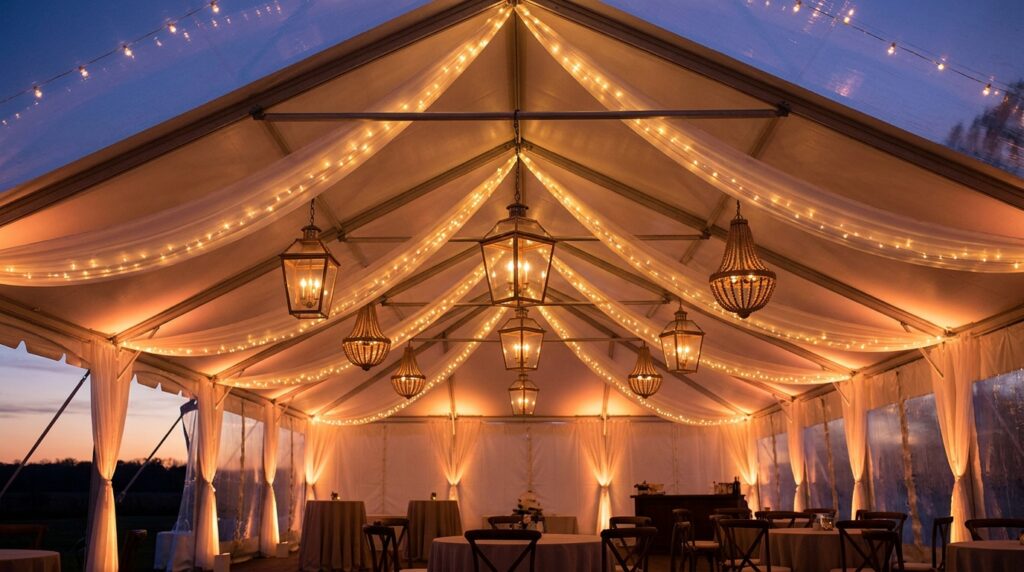
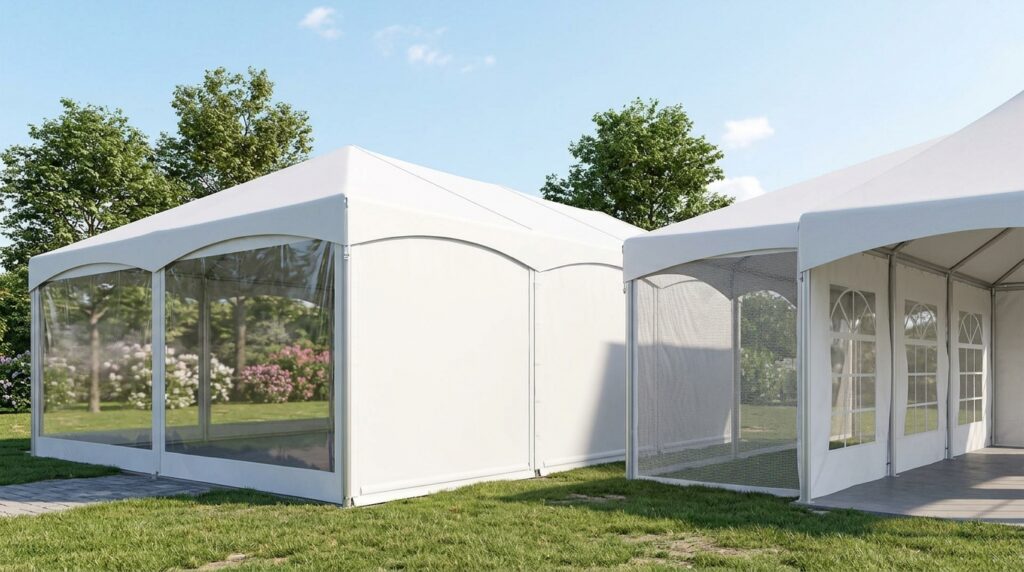
When working on large-scale builds, temporary infrastructure from tent installation services offers flexibility. Our clearspan tents, for instance, create weather-protected zones for materials storage, equipment staging, or even temporary break areas for crews. This approach allows project managers to maintain productivity regardless of weather conditions, a common concern during Alberta’s varied seasons.
However, temporary fabric structures may not replace permanent foundations where long-term, heavy-duty structural integrity is essential for the core build. We typically recommend our tent rentals for logistical support, covering needs like covered walkways, secure tool storage, or auxiliary offices that support the primary modular construction efforts without impacting the main structure’s design or permanent purpose. These solutions integrate well with the fast-paced nature of off-site fabricated builds.
| Infrastructure Need | Superior Tent Rentals Solution |
|---|---|
| Weather Protection for Materials | Clearspan tents offer immediate, robust shelter for sensitive building components and equipment on site. |
| Temporary Workspace | Enclosed structures provide comfortable, climate-controlled environments for project meetings or supervision staff. |
| Site Logistics and Flow | Covered walkways and secure entry points improve safety and efficiency for personnel and material movement. |
| On-site Storage | Secure, accessible temporary storage units keep tools and smaller components organized and protected from elements. |
Future of Alberta Construction Modular Innovations
Future construction trends in Alberta point towards greater adoption of off-site building methods to meet demand efficiently. As project developers seek faster completion times and reduced on-site labor, the shift from traditional building practices gains momentum. This approach offers significant advantages for remote locations or projects with strict environmental controls.
Advancements in design software and material science enable more complex and adaptable structures. For instance, incorporating smart home technology directly into modules during factory assembly becomes simpler, enhancing functionality upon site delivery. We see increased interest from our clients in energy sector warehousing and industrial applications for these expedited building methods.
Superior Tent Rentals supports these evolving construction methods by providing temporary infrastructure that complements modular site setups. Whether it is a sheltered workspace for module assembly or on-site storage for components, we help maintain project schedules. Our services ensure that rapid-build sites have the necessary support facilities to operate effectively, aligning with the speed and precision that modular construction promises.
| Innovation Area | Impact on Construction |
|---|---|
| Advanced Robotics & Automation | Increases precision and speed in module fabrication, reducing human error and improving safety in manufacturing plants. |
| Sustainable Materials | Incorporates eco-friendly and recycled components, lowering the environmental footprint of projects and improving energy efficiency. |
| Digital Twins & BIM | Enhances design visualization and coordination, allowing for real-time adjustments and clash detection before physical construction begins. |
| Flexible Module Design | Allows for greater customization and adaptability of units, making them suitable for diverse applications from residential to industrial, including tent installation integration. |
FAQ
For those considering modular construction in Alberta, this section addresses common inquiries to help you understand its benefits and applications.
| Question | Answer |
|---|---|
| When should Anya choose modular construction for her Edmonton project? | Anya should prioritize modular construction for her Edmonton project if rapid deployment is a key requirement. This method allows for simultaneous site preparation and module fabrication, which can significantly shorten the overall project schedule. It is particularly beneficial for projects needing quick setup of temporary site offices or storage facilities. |
| How does modular construction compare to traditional building in Alberta regarding project timelines? | Modular construction typically offers faster project timelines in Alberta compared to traditional building. This is because components are fabricated off-site in a controlled factory environment while site preparation occurs concurrently. This parallel process can reduce overall project durations by 30-50%. |
| What kind of temporary infrastructure does Superior Tent Rentals provide for modular construction sites in Edmonton? | Superior Tent Rentals provides temporary structures like clearspan tents for modular construction sites in Edmonton. These can serve as weather-protected areas for materials storage, equipment staging, or crew break areas. They support efficient on-site assembly and maintain productivity during various construction phases. |
| Can modular construction help manage construction costs in Alberta? | Yes, modular construction can help manage construction costs in Alberta. The controlled factory environment minimizes material waste and reduces on-site labor needs. Predictable factory production also leads to greater cost certainty by reducing delays and unexpected issues common in traditional on-site building. |