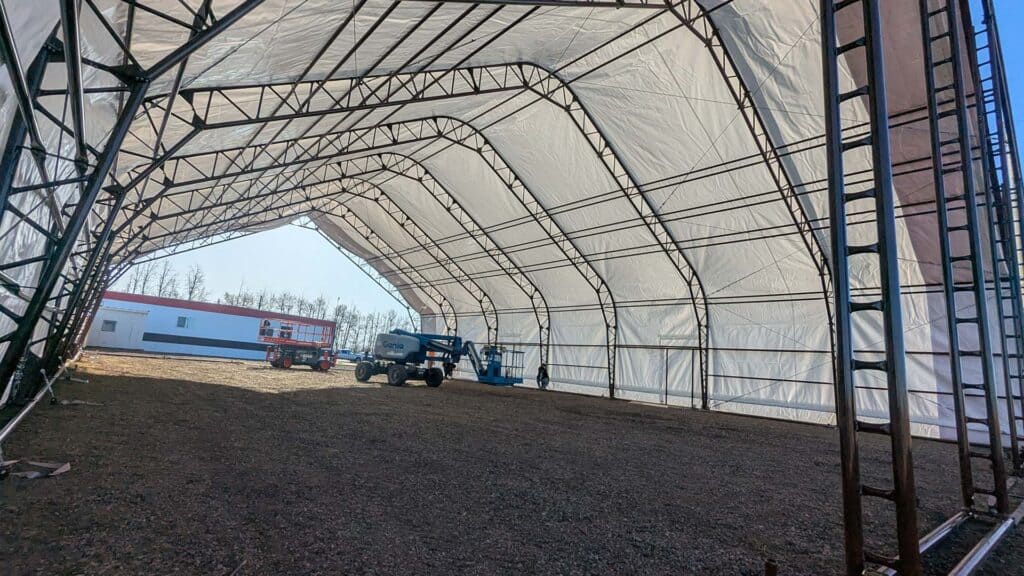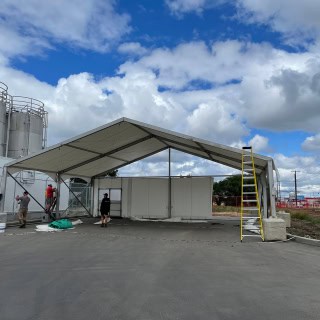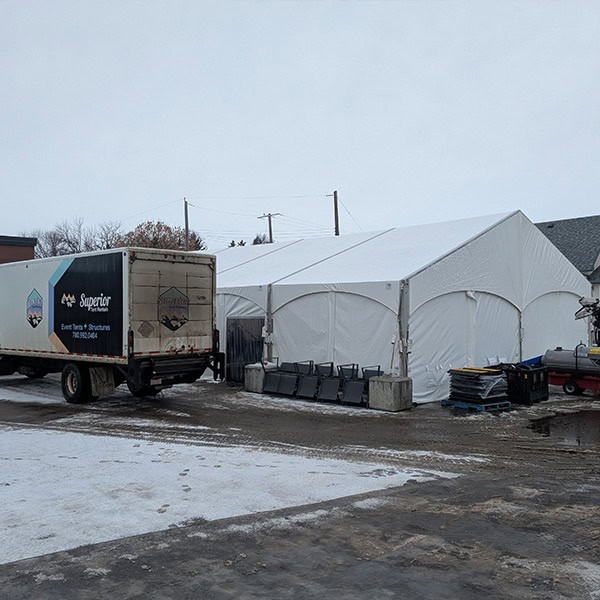

Understanding High-Wind Tent Solutions
High-wind tent solutions are specifically engineered to withstand severe weather conditions, offering unparalleled reliability where standard temporary structures would falter. These robust shelters are crucial for industries operating in challenging environments, ensuring continuity and safety regardless of external forces. Selecting the right high-wind tent means investing in durability and peace of mind for critical projects.
The necessity for these specialized tents arises from the inherent risks associated with extreme weather, particularly in exposed locations. Unlike conventional tents, high-wind certified structures feature advanced engineering and materials designed to resist strong gusts and sustained winds. This makes them indispensable for operations that cannot afford downtime due to environmental factors, providing a secure and stable environment for personnel and equipment. For projects requiring dependable infrastructure, exploring large tent rentals for industrial sites is a vital first step.
Implementing high-wind tent solutions offers significant benefits, including enhanced safety for workers, protection of valuable equipment, and the ability to maintain operational schedules even in adverse weather. These structures are a testament to modern engineering, providing a dependable shelter that meets stringent safety standards. Discovering the advantages of industrial tent rental solutions can highlight their value for various operational needs.
Why Coastal Oil & Gas Projects Demand Specialized Tents
Coastal oil and gas projects face a unique confluence of environmental challenges, including high humidity, corrosive salt spray, and unpredictable, powerful winds. These factors significantly compromise the integrity and longevity of standard temporary structures, making specialized, weather-resistant tents an absolute necessity for operational success and safety. Without these advanced solutions, projects risk costly delays and safety hazards.
The demanding nature of coastal operations means that conventional tents are simply inadequate for providing the required protection and stability. High winds can easily compromise weaker structures, leading to equipment damage, potential injuries, and significant project setbacks. Therefore, investing in industrial energy rental solutions is not just a preference but a critical requirement for maintaining a secure work environment.
Specialized tents designed for these conditions offer enhanced durability, superior anchoring systems, and materials resistant to corrosion and extreme weather. These features ensure that vital operations can continue uninterrupted, providing essential temporary workspaces for oil and gas exploration and other critical functions. Understanding the importance of these structures is key to successful project planning in challenging locales, as detailed in guides on temporary structures for oil and gas projects for more. For large-scale industrial needs, consider exploring large tent rentals for industrial sites to scale your infrastructure effectively.
What Defines High Wind Certification for Tents?
High wind certification for tents signifies that a structure has met rigorous testing and safety standards for performance in elevated wind conditions. This certification is not merely a label but a guarantee of engineering integrity, ensuring the tent can withstand specific wind speeds and pressures without structural failure. For critical industrial applications, especially in exposed coastal areas, this certification is paramount.
The process of achieving high wind certification involves stringent evaluations of the tent’s frame, fabric, and anchoring systems. These assessments typically adhere to established engineering codes and are performed by accredited third-party agencies. Tents that pass these evaluations are deemed suitable for environments where standard structures would be unsafe, providing essential reliability for projects like those requiring industrial tent rental solutions.
Comparison of certified versus non-certified tents reveals stark differences in their construction and performance capabilities. Certified tents are built with stronger materials, more robust frame designs, and superior anchoring mechanisms, all of which contribute to their ability to endure harsh weather. This distinction is vital for projects where safety and operational continuity are non-negotiable, such as those exploring temporary structures for oil and gas projects. Understanding how to select the appropriate tent for specific environmental conditions is key, and our guide to choosing tent rentals can help you navigate these decisions.
| Feature | Certified High Wind Tent | Non-Certified Tent |
|---|---|---|
| Wind Speed Rating | Engineered and tested for specific high wind speeds (e.g., 70+ mph) | Generally rated for lower wind speeds (e.g., 20-30 mph) |
| Anchoring System | Advanced, robust anchoring systems (e.g., deep stakes, ballast, concrete anchors) | Standard stakes or basic ballast systems |
| Frame Strength | Heavy-duty, reinforced aluminum or steel frames designed for structural integrity | Lighter-duty frames, potentially susceptible to bending or collapse in high winds |
| Material Strength | High-tensile strength, often reinforced PVC or vinyl fabrics resistant to tearing | Standard fabrics that may tear or degrade more quickly under stress |
| Certification | Independently tested and certified by accredited bodies | No formal wind certification; relies on manufacturer’s general specifications |
Key Features of High Wind Certified Tents
High wind certified tents are distinguished by a combination of superior engineering and robust materials, ensuring they can withstand challenging environmental conditions. These tents are not merely larger or heavier; they incorporate specific design elements and construction techniques that enhance their stability and resilience against strong winds and adverse weather. Understanding these features is crucial for selecting the most appropriate structure for demanding industrial applications, such as those detailed in planning your perfect outdoor occasion for more.
- Reinforced Frame Structure: The framework of a high wind certified tent is typically constructed from heavy-duty aluminum or galvanized steel, engineered with reinforced joints and supports to prevent buckling or collapse under pressure.
- High-Tensile Fabric: The tent material is made from durable, high-tensile strength PVC or vinyl fabrics. These are often fire-retardant and UV-resistant, designed to resist
The backbone of any high wind certified tent is its frame, which must be exceptionally strong to resist deformation. Typically, these frames are constructed from robust materials like heavy-gauge aluminum alloys or galvanized steel, designed with reinforced connection points and superior structural integrity. The choice of material and the engineering of the frame are paramount, as they directly influence the tent’s ability to withstand high wind loads without failure. This focus on structural soundness is a hallmark of heavy-duty tent rental for industrial applications.
Fabric Durability and Weather Resistance
The fabric used in high wind certified tents is as critical as the frame. It must be made of high-tensile strength materials, often reinforced PVC or vinyl, capable of withstanding extreme weather conditions without tearing or degrading. These fabrics are typically treated for UV resistance, flame retardancy, and mildew prevention, ensuring longevity and safety in diverse environments. Reliable fabric is essential for providing dependable industrial tent rental solutions, such as those needed for temporary infrastructure in Northern Alberta for more.
Anchoring Mechanisms and Stability
Proper anchoring is crucial for tent stability, especially in high winds. This involves secure ground stakes, ballast systems, and guy ropes, all engineered to resist uplift and lateral forces. The effectiveness of these mechanisms directly impacts the tent’s ability to remain stable and secure. For large-scale projects, understanding the best anchoring methods is key, and our guide to large tent rentals for industrial sites details how clearspan technology aids in this.
A tent’s ability to remain secure in high winds is heavily dependent on its anchoring system. High wind certified tents employ advanced anchoring solutions beyond standard stakes. These can include substantial ballast systems (water or concrete weights), long, heavy-duty stakes driven deep into the ground, or even custom anchoring integrated with the site’s foundation. This ensures maximum stability and prevents uplift or movement, crucial for operations related to temporary structures for oil and gas projects. For industrial applications, understanding the nuances of choosing the perfect tent for any occasion is key.
Applications of High Wind Tents in Oil & Gas
High wind certified tents serve a multitude of critical functions within the oil and gas industry, offering versatile and reliable shelter solutions in often remote and challenging operational environments. Their robust construction ensures that essential activities can continue safely and efficiently, regardless of adverse weather conditions. These structures are indispensable for supporting various phases of exploration, production, and maintenance.
- Crew Accommodations: Providing safe and comfortable living quarters for field personnel, ensuring they have a secure place to rest even in harsh weather.
- Temporary Offices and Command Centers: Establishing operational hubs and field command posts that offer a stable and secure environment for management and coordination activities.
- Equipment Storage: Protecting valuable tools, machinery, and sensitive materials from the elements, preventing damage and ensuring operational readiness.
- Maintenance and Repair Workshops: Creating sheltered workspaces for performing essential maintenance and repair tasks on equipment, allowing work to continue regardless of external conditions.
- On-Site Training Facilities: Offering a secure and controlled environment for training new personnel or conducting safety drills.
The adaptability of these tents makes them invaluable for numerous applications, from supporting exploration efforts to facilitating ongoing production operations. Their ability to provide dependable shelter enhances worker safety and ensures project timelines are met. Exploring options for temporary workspaces for oil and gas exploration can illustrate their broad utility, and you can learn more about temporary tents for oil sands expansion for more.
Furthermore, these structures are essential for supporting the logistical needs of large-scale projects, providing flexible space that can be rapidly deployed and configured. Whether used for temporary structures for oil and gas projects or as emergency shelters, their reliability is a key advantage. The deployment of industrial tent rental solutions is a strategic choice for companies prioritizing safety and operational continuity.
Choosing the Right Tent Rental Partner
Selecting the appropriate tent rental partner is a crucial decision for any industrial project, particularly those operating in demanding environments like coastal oil and gas sites. The right partner offers not only the necessary equipment but also the expertise, safety certifications, and logistical support vital for project success. Thorough due diligence ensures that your chosen provider can meet the stringent requirements of your operation. For scaling infrastructure needs, consider exploring temporary infrastructure options for more.
- Verify Industry Experience: Ensure the rental company has a proven track record of supplying tents for industrial applications, especially in challenging weather conditions or specialized sectors like oil and gas.
- Confirm Safety Certifications: Check that the tents offered meet relevant safety standards and that the company adheres to strict safety protocols during installation and dismantling. Look for certifications related to high wind resistance.
- Assess Equipment Quality: Inquire about the age, maintenance, and specifications of the tent fleet. High wind certified tents should be clearly identified and verifiable.
- Evaluate Logistical Capabilities: Discuss their ability to deliver, install, and dismantle the tents efficiently at your project site, including their capacity to handle remote or difficult-to-access locations.
- Request References and Reviews: Seek testimonials or references from previous industrial clients to gauge the company’s performance, reliability, and customer service.
A strong partnership is built on trust and demonstrated capability. Prioritizing a rental company that understands the critical nature of your operations and can provide certified, high-performance structures is essential. Companies offering industrial tent rental solutions often possess the specialized knowledge required, such as those providing large tent rentals for industrial sites to scale your infrastructure.
Furthermore, consider the partner’s flexibility and their ability to adapt to changing project needs. The right provider will offer solutions that enhance operational efficiency and contribute to the overall success of your project, such as providing temporary structures for oil and gas projects that meet exact specifications and are ideal for industrial energy operations.