
Understanding Rapid Deployment Structures
Rapid deployment structures are revolutionizing industrial energy operations by offering unparalleled speed and flexibility. These structures are specifically engineered to be erected quickly, providing immediate functional space for a variety of critical energy sector needs, thereby directly enhancing operational efficiency and maximizing return on investment. Their significance lies in their ability to adapt to dynamic project timelines and evolving site requirements.
The core value proposition of rapid deployment infrastructure in the industrial energy sector is its capacity to minimize downtime and accelerate project initiation. By enabling swift setup, these structures allow energy companies to respond effectively to immediate needs, such as temporary power generation sites, field offices, or equipment shelters, all of which contribute to a more robust and profitable operation. For a deeper dive into how these solutions impact project timelines, consult our oil and gas project timeline guide for more.
Exploring the benefits of these structures reveals how they contribute to overall efficiency and ROI. From facilitating faster project launches to providing secure and adaptable workspaces, rapid deployment solutions are becoming indispensable tools for modern energy enterprises seeking to optimize their operations and gain a competitive edge. You can view examples of our versatile structures in our gallery for more.
Key Features and Benefits
When considering large tent rentals for industrial sites, understanding the benefits of clearspan technology is crucial for scaling your infrastructure effectively. These structures offer a versatile solution for various needs.
Versatility and Adaptability
Rapid deployment structures are not limited to a single application. Their modular design allows for customization to fit various site requirements and operational needs, from temporary warehousing to emergency response shelters. This adaptability ensures they can be deployed effectively across a wide range of industrial scenarios, offering scalable solutions for evolving project demands. For more information on how these structures can scale your infrastructure, see our guide on large tent rentals for industrial sites for more.
These structures are highly versatile, capable of serving numerous functions within energy operations, from field offices and command centers to equipment storage and temporary workshops. Their adaptable nature means they can be reconfigured or relocated as project needs change, providing ongoing utility.
Enhanced Safety and Security
Engineered for durability and stability, rapid deployment structures provide a safe and secure environment for personnel and equipment. They are designed to withstand various environmental conditions, offering reliable shelter and protection, which is paramount in industrial settings. For more information on our offerings, visit our blog for more.
Applications in Industrial Energy
The versatility of rapid deployment structures lends itself to a wide array of applications within the diverse landscape of the industrial energy sector. These structures are not merely temporary shelters but integral components that support the operational integrity and efficiency of energy projects from exploration to maintenance.
- Emergency Response and Disaster Relief: Providing immediate command centers or shelter facilities following natural disasters or industrial accidents impacting energy infrastructure.
- Temporary Field Offices and Operations Centers: Establishing functional workspaces for project management, engineering teams, and site supervision during remote or new project developments.
- Equipment Storage and Protection: Offering secure, weather-resistant enclosures for valuable machinery, tools, and sensitive components, safeguarding them from the elements and potential theft.
- Modular Power Generation and Distribution Hubs: Creating controlled environments for temporary power units or distribution equipment, ensuring reliable energy supply during grid maintenance or for specific project phases.
- Maintenance and Repair Workshops: Setting up on-site workshops to facilitate efficient maintenance and repair of energy equipment, reducing the need for transport and minimizing downtime. We offer specialized event tent rentals that can be adapted for industrial use.
Our comprehensive solutions, including premier event tent rentals, ensure that energy companies have access to the necessary infrastructure to support their operations effectively, regardless of location or immediate requirements.
Types of Rapid Deployment Structures
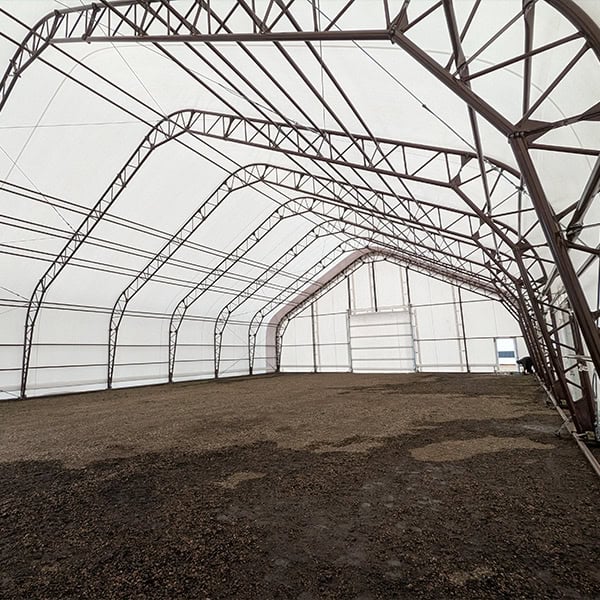
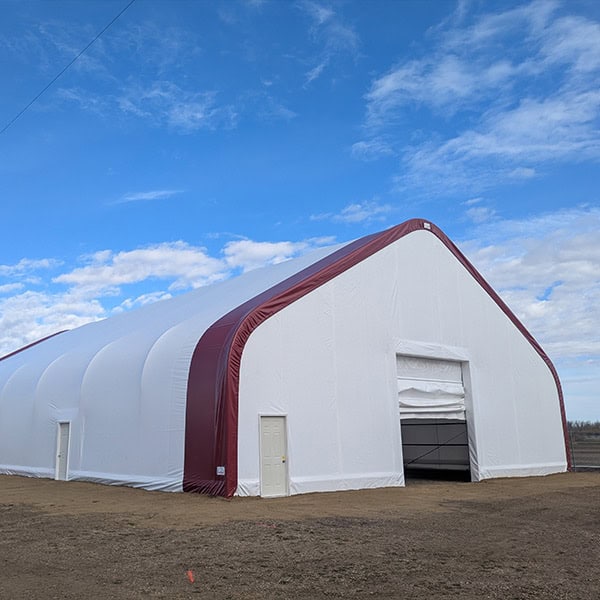
The industrial energy sector benefits from a range of rapid deployment structures, each offering distinct advantages in terms of size, design, and functionality. Choosing the appropriate type ensures optimal performance and efficiency for specific operational demands. For instance, clear span tents offer wider, unobstructed interior spaces supported by a strong frame, making them ideal for large-scale operations.
| Structure Type | Design Characteristics | Deployment Speed | Typical Applications | Durability |
|---|---|---|---|---|
| Frame Tents | Engineered with aluminum or steel frames, no central poles. | Fast (hours to a day) | Temporary event spaces, site offices, storage. | Moderate to High |
| Clear Span Tents | Wider, unobstructed interior spaces supported by a strong frame. | Fast (days) | Large-scale operations, temporary warehouses, aircraft hangars. | High |
| Inflatable Structures | Utilize air pressure for support, offering lightweight and portable options. | Very Fast (hours) | Emergency shelters, temporary medical facilities, rapid response units. | Moderate |
| Modular Buildings | Prefabricated units that can be quickly assembled or connected. | Moderate (days to weeks) | Durable site offices, complex facilities, laboratories. | Very High |
Selecting the right structure is critical for operational success. For specialized needs, consider our party tent rentals which can be adapted for various functions, or our robust frame tent rentals for more substantial setups. When making your choice, understanding how to select the right size and style for local weather conditions is key, as discussed in our guide to Edmonton tent rentals for more.
Choosing the Right Structure
For large-scale operations and temporary warehousing needs within the energy sector, exploring clearspan tent technology can provide scalable and efficient infrastructure solutions.
Selecting the most effective rapid deployment structure requires careful consideration of project-specific needs and environmental factors. Understanding the operational scope and site conditions is paramount to making an informed decision that maximizes efficiency and return on investment.
Having worked with clients across the region for years, we’ve learned that assessing site conditions is crucial for selecting the right deployable structures. Factors such as ground stability, expected weather patterns, and the duration of the project all play a significant role in determining the most suitable structure type. For example, understanding how to choose the right size and style for Alberta weather is key.
It’s also essential to consider the intended use. Will the structure serve as a simple storage solution, a temporary office space, or a workshop requiring specific utilities? Each application may necessitate different features, such as insulation, climate control, or power access. Explore our comprehensive guide to event rentals to find the best fit for your industrial energy operations.
The Deployment Process
The deployment of rapid structures is designed for maximum efficiency and minimal disruption. The process is streamlined, allowing for quick setup and transition to operational readiness, which is a core component of their value proposition in time-sensitive industrial environments.
- Site Assessment and Preparation: Initial evaluation of the deployment location to ensure suitability and perform necessary ground preparation, such as leveling or clearing.
- Structure Erection: Assembly of the frame or inflation of the structure according to manufacturer guidelines, typically involving specialized teams.
- Anchoring and Securing: Robust anchoring systems are employed to ensure the structure’s stability against wind and other environmental forces.
- Interior Fit-Out and Utilities: Installation of flooring, lighting, HVAC, and any required power or communication lines to prepare the space for its intended use.
- Final Inspection and Handover: A thorough check to ensure the structure meets safety standards and is ready for occupancy and operation, followed by handover to the client.
Our commitment to swift and efficient service is evident in every project, from initial setup to final completion. For specific applications, consider the benefits of strategic temporary infrastructure for Northern Alberta’s energy sector, or reach out to us via our contact page to discuss your needs.
Maintenance and Durability
Rapid deployment structures are engineered for resilience and long-term reliability, even in demanding industrial environments. Their design incorporates robust materials and construction techniques to ensure durability and minimize the need for extensive upkeep, thereby contributing to consistent operational uptime. For industrial applications, consider our large tent rentals for industrial sites, and for guidance on selecting the right one, check out our Edmonton tent rentals guide.
Rapid deployment structures are engineered for resilience, often designed to withstand various weather conditions and maintain integrity over extended periods with minimal upkeep.
Regular inspections and basic cleaning are typically all that’s required to maintain these structures. This low-maintenance aspect translates into reduced operational costs and ensures that the structures remain safe and functional throughout their deployment lifecycle. Our diverse service offerings ensure you have access to well-maintained structures.
Conclusion: Maximizing ROI
In conclusion, rapid deployment structures are a strategic asset for the industrial energy sector, directly contributing to enhanced efficiency and a significant boost in return on investment. Their ability to provide immediate, versatile, and durable operational spaces minimizes delays and maximizes productivity.
By reducing setup times, lowering associated costs, and offering adaptability for evolving project demands, these structures empower energy companies to operate more effectively and profitably. Investing in rapid deployment solutions is a forward-thinking approach to managing operational infrastructure in a dynamic industry. To understand more about the advantages of different temporary infrastructure options, consider this guide on modular vs. traditional infrastructure for northern Alberta energy projects. We encourage you to contact us to explore how these solutions can benefit your operations, or visit our main site at superiortentrentals.com.
Frequently Asked Questions
Here you can find answers to common questions about rapid deployment structures and their application in industrial energy operations. We aim to provide clear and concise information to help you understand the benefits and practicalities, such as the ROI of oil and gas field shelters for more.
| Question | Answer |
|---|---|
| What is the typical lifespan of a rapid deployment structure? | The lifespan can vary greatly depending on the materials, design, and maintenance, but many high-quality structures are designed for years of reliable use, often outperforming traditional temporary solutions. |
| Are rapid deployment structures suitable for all weather conditions? | Most rapid deployment structures are engineered to withstand various weather conditions, including wind and rain. Specific models are designed for extreme weather, and it’s crucial to select one appropriate for your operational climate. |
| How quickly can a large structure be deployed? | The deployment time varies by size and complexity, but many large structures can be erected and made operational within a few days, significantly faster than conventional construction. |
| Can these structures be customized to specific needs? | Yes, many rapid deployment structures offer a degree of customization in terms of size, layout, insulation, and the integration of utilities to meet unique operational requirements. |
| What are the main advantages over traditional buildings? | The primary advantages include significantly faster deployment, lower upfront costs, greater flexibility, and the ability to be relocated or disassembled easily, making them ideal for temporary or evolving needs. |