Answer
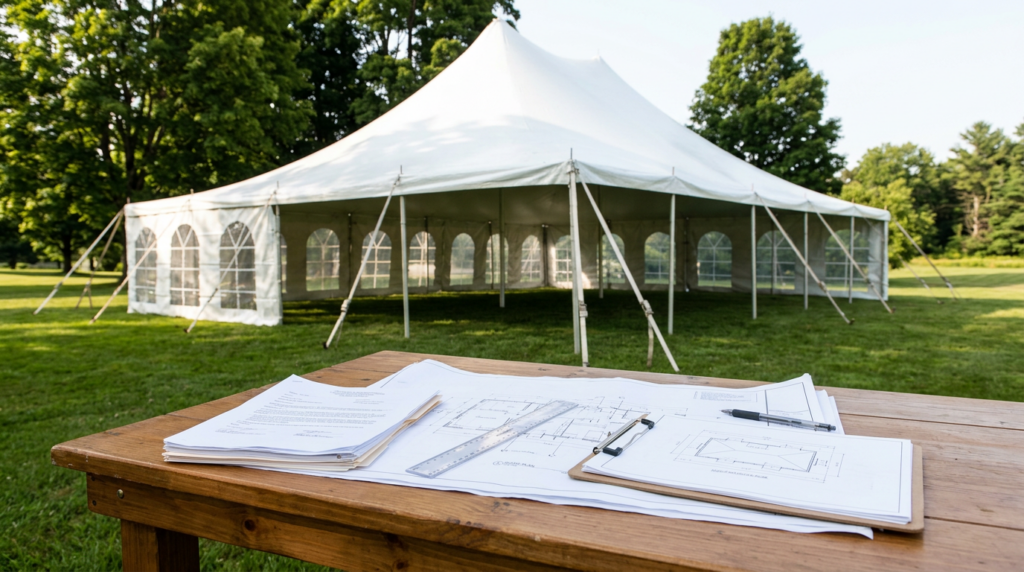
Tent rental insurance offers financial protection for event hosts by covering potential liabilities and property damage connected to renting and using tents. This coverage typically addresses scenarios such as guest injury, property damage at the venue, or damage to the rented tent structure itself. While Superior Tent Rentals provides the Tent Rentals you need, obtaining proper insurance from a third-party provider offers specific protection that helps ensure your event proceeds smoothly without unexpected financial setbacks from unforeseen incidents.
Overview
This guide clarifies how event hosts protect their gatherings and investments. It discusses various insurance types and explains how they apply to events with rented tents. Proper coverage helps mitigate financial risks associated with unexpected issues.
The article includes a labeled real-world hypothetical where Marisol, an event planner, selects coverage for her upcoming event. You will also find guidance from Superior Tent Rentals on best practices and policy considerations.
- Policy Essentials: Discover key aspects of tent rental insurance options.
- Coverage Comparison: See how various event liability coverages compare.
- Tailored Policies: Adjustments for specific event needs can make a difference.
- Real-World Example: Marisol’s story shows how tent coverage protects events.
- Choosing Policies: Select the right policy for your rental.
- Safety Guidance: Benefit from Superior Tent Rentals’ advice.
Tent Rental Insurance Essentials
Formal venues commonly require event hosts to secure a certificate of insurance, sometimes requesting the venue itself be named as an additional insured party. This protects both the event host and the venue from unforeseen incidents during events. We see that tent rental insurance often involves two main types of coverage: general liability and property damage.
General liability covers bodily injury or property damage to third parties, such as a guest tripping over a tent stake. Property damage insurance protects the rented tent and equipment from accidental damage during the rental period. Superior Tent Rentals has observed that specific event needs often dictate which policy options clients prioritize for their events.
| Coverage Type | Protection Details |
|---|---|
| General Liability | This covers legal costs and damages if a third party, like a guest, suffers bodily injury or property damage at the event site due to tent-related issues. Public parks and government properties frequently impose such requirements for event hosts. |
| Property Damage (Tent & Equipment) | This protects against accidental damage to the rented tent, tables, chairs, and other equipment while it is in the event host’s care. Damage can result from events like storms or accidental mishandling. |
| Weather-Related Incidents | While not a standalone policy, some insurers offer riders for adverse weather conditions, including high winds or heavy rain that could damage the tent or necessitate event cancellation. Always verify specific terms before choosing a policy for special events insurance. |
| Liquor Liability | If alcohol is served at the event, specific liquor liability insurance for events may be needed. This covers claims arising from alcohol-related incidents. |
| Cancellation Coverage | This can cover financial losses if the event needs to be cancelled, postponed, or interrupted due to reasons listed in the policy. It may be part of a broader special event insurance package. |
Event Liability Coverage Options Compared
Securing appropriate liability coverage protects event hosts from unforeseen incidents that may arise during a tented event. This coverage extends beyond basic property damage to include potential personal injuries or advertising claims. Superior Tent Rentals frequently helps clients assess their options for liability coverage, ensuring proper protection for their gatherings.
We often recommend reviewing specific policy inclusions and exclusions when selecting tent rental insurance for any event, from small family gatherings to large public functions. Different policies provide varying levels of protection, impacting how effectively a host can respond to claims. Choosing a policy that aligns with your event’s scale and nature is important for reducing potential financial risks.
| Coverage Type | Description | Best For |
|---|---|---|
| General Liability | Covers third-party bodily injury and property damage. | Most events, particularly those with guests or third-party vendors. |
| Additional Insured | Extends coverage to other parties, such as the venue owner or Superior Tent Rentals. | Events where the venue or other entities require shared liability. |
| Host Liquor Liability | Protects against claims related to alcohol consumption at your event. | Events where alcohol is served but not sold. |
| Property of Others | Covers damage to rented equipment or venue property not owned by the host. | Events using rented equipment or occurring at a rented location. |
| Cancellation/Postponement | Reimburses non-refundable expenses if an event is canceled or rescheduled due to unforeseen circumstances. | Larger events with significant upfront investments or outdoor elements. |
Adapting Policies For Specific Event Needs
Tailoring an insurance policy for a specific event ensures appropriate coverage for its unique risks. Event organizers match their insurance to the particularities of their gathering, whether it is a small family reunion or a large public festival. We always recommend reviewing your event plans carefully to identify any unique elements that might require additional protection.
This process helps avoid gaps in coverage and prevents unnecessary expenses on policies that exceed the event’s actual needs. Understanding event specifics allows Superior Tent Rentals to assist clients in planning their tent rentals while considering potential insurance requirements.
- Assess Event Size and Scope: Determine the number of attendees, duration, and overall footprint of your event.
- Identify Venue Specifics: Note whether the event is on private property, a public park, or a commercial venue, as each has different liability considerations.
- List All Activities: Detail any special activities such as amusement rides, live performances, or catering that may increase risk.
- Consider Guest Interactions: Think about potential guest interactions, like serving alcohol or having children present, which can influence liability needs.
- Review Vendor Agreements: Confirm whether vendors bring their own insurance or if their activities need to be covered under your policy.
| Event Type | Key Insurance Adaptations |
|---|---|
| Weddings & Private Parties | May need coverage for guest injuries or property damage to the venue. Personal liability often applies. |
| Corporate Events | Often requires higher liability limits and may need coverage for valuable equipment or data protection. |
| Public Festivals & Fairs | Demands extensive liability for large crowds, multiple vendors, and potential public safety concerns. |
| Sporting Events | Includes participant liability and coverage for sports equipment damage or related injuries. |
| Charity Galas | Might need coverage for high-value auction items, liquor liability, and volunteer injury protection. |
Real-World Situations Tent Coverage Protects
Renting a large tent for an event usually comes with a contract that spells out who is responsible if something goes wrong, but those terms rarely cover every liability an event host could face. That gap forces hosts to weigh the cost of an added policy against the risk of paying out of pocket for guest injuries, venue damage, or a ruined tent.
Marisol is finalizing the rental for her outdoor reception and has to decide whether the basic liability terms in the rental agreement are enough or whether she should buy a separate policy before the tent goes up. She keeps asking herself whether tent rental insurance is worth adding when nothing has ever gone wrong at her past events, yet she knows one guest injury or a torn canopy could land on her budget. Should I buy a separate tent rental insurance policy for my event, or is the coverage that comes with the rental already enough?
Recommendation: A third-party tent rental insurance policy
Superior Tent Rentals would recommend adding a third-party tent rental insurance policy when guest injury, venue property damage, or harm to the rented tent structure could create costs that a standard rental agreement may not absorb. That extra layer can matter most depending on the venue’s rules, the number of guests, and how exposed the setup is to weather.
Selecting The Right Policy For Your Rental
Choosing the appropriate tent rental insurance involves weighing several factors, including the nature of your event, its size, and the specific activities planned. Each event presents unique risks that demand tailored coverage, ensuring financial protection for both the host and rented property. Careful selection helps prevent gaps in coverage that could lead to significant out-of-pocket expenses if an incident occurs.
Event hosts need to consider their specific situation, as a small family gathering has different requirements than a large public festival. This table offers a guide for selecting the best policy type based on common event characteristics and the associated coverage needs for your event. If your event involves specialized elements like inflatables or open flames, additional endorsements are often needed.
| Event Characteristic | Recommended Policy Consideration |
|---|---|
| Small, Private Gatherings (e.g., backyard parties, family reunions) | Consider event liability insurance with lower limits; focus on third-party bodily injury and property damage. |
| Medium-Sized Public Events (e.g., community fairs, charity functions) | General events liability insurance with higher limits, potentially adding vendor and liquor liability if applicable. |
| Large-Scale Events (e.g., festivals, concerts) | A robust commercial general liability policy, often requiring specific endorsements for large attendance, high-risk activities, or multiple vendors. |
| Events with Unique Risks (e.g., fireworks, animal shows) | Specialized riders or separate policies to cover particular high-risk activities not typically included in standard coverage. |
| Events on Public Property | Review city or municipal requirements for liability coverage, as public parks often demand specific policy types and limits. |
Superior Tent Rentals Safety and Policy Guidance
Ensuring event safety extends beyond physical setup to proper insurance. As providers of quality tent rentals, Superior Tent Rentals works to create secure environments for all gatherings. Event organizers maintain responsibility for securing necessary tent rental insurance for their specific occasion.
We see that local weather patterns often affect events, emphasizing the need for suitable coverage against wind or rain-related issues. Additionally, permit requirements for different venues may mandate specific liability limits, affecting the type and extent of required protection. We provide clear guidance on best practices for safe installation and usage, ensuring your event adheres to safety standards.
| Aspect | Superior Tent Rentals Guidance |
|---|---|
| Pre-Event Planning | Confirm venue-specific regulations and secure all necessary permits. Discuss potential weather concerns and have contingency plans. |
| Equipment Handling | Properly inspect all rented equipment upon arrival and before setup. Report any discrepancies immediately to Superior Tent Rentals to ensure equipment is in top condition. |
| Safe Installation | Follow all provided instructions and safety guidelines for installing your rented tent. Ensure adequate anchoring for anticipated weather conditions and clear pathways for guests. |
| Post-Event Procedures | Carefully dismantle equipment according to guidelines. Verify all components are accounted for and ready for pickup. |
FAQ
Navigating the complexities of tent rental insurance can be challenging, so we’ve compiled answers to common questions to help event hosts understand their coverage options and responsibilities.
| Question | Answer |
|---|---|
| What types of incidents does general liability insurance cover for tent rentals? | General liability insurance covers legal costs and damages if a third party, such as a guest, experiences bodily injury or property damage at the event site due to tent-related issues. This protection is often required by public parks and government properties for event hosts. |
| How does property damage insurance protect rented tents and equipment? | Property damage insurance protects the rented tent, tables, chairs, and other equipment from accidental damage while in the event host’s care. This includes damage from events like storms or accidental mishandling during the rental period. |
| Should I purchase a separate tent rental insurance policy? | A third-party tent rental insurance policy is recommended when potential costs from guest injury, venue property damage, or harm to the rented tent structure could exceed what a standard rental agreement covers. This extra layer of protection is especially important depending on venue rules, guest count, and weather exposure. |
| Which policy considerations are important for events with unique risks? | Events with unique risks, such as fireworks or animal shows, often require specialized riders or separate policies. These cover particular high-risk activities not typically included in standard tent rental insurance coverage. |